
Before you place a bulk order or price a tender, check which projects have funding. Then confirm how much water each site needs and who will service the pumps during the dry season. These four solar water pump trends give West African distributors, irrigation developers and EPC teams a way to turn market signals into stock decisions and comparable bids.
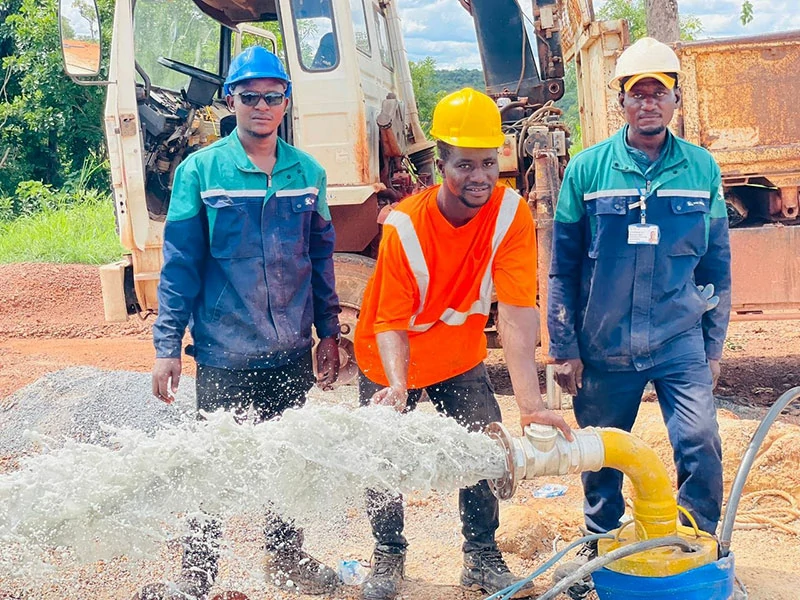
1. Solar water pump trends point to more selective stocking
The 2026 Off-Grid Solar Market Trends Report describes solar water pump sales as plateauing in the affiliate data it tracks. However, that broad trend cannot tell you how many pumps a given country or irrigation programme will buy.
Instead, build your stock plan from current enquiries and confirmed projects. Start by logging the application, water source, expected order date and funding status. Then group requests with similar flow and head to find packages worth stocking. For example, an unusual borehole or a large tender may need its own survey before you commit stock. Review the WHC Solar water pump range when deciding which surface and submersible configurations merit a place on the shortlist.
2. Some tenders bundle solar pumps with irrigation works
A March 2026 procurement notice for The Gambia gives a concrete example. For example, one lot covers solar pump irrigation rehabilitation for three communities across 139 hectares. However, the area alone cannot tell bidders how many pumps to quote. Each bidder still needs site-level hydraulic data to select the equipment.
When the invitation combines equipment and works, build a responsibility schedule before asking a solar water pump supplier for prices. First, assign responsibility for the pump, controller, PV array, mounting and cabling. Next, do the same for manifolds, pipework, civil works and commissioning. Also confirm who provides permits, access and water-source data. If the equipment vendor and installer use different assumptions about pipe losses or discharge pressure, resolve the difference before tender submission. Otherwise, a low equipment quote can become an expensive variation once field work starts.
3. Water availability is becoming more visible in site screening
The FAO catalogue entry on solar irrigation potential mapping describes a framework that considers solar irradiation alongside water resources, land use and pump characteristics. As a result, the maps can help teams shortlist areas. However, a quote still requires reliable site data and any applicable abstraction limit.
For a borehole, request the tested sustainable yield and the pumping water level expected in the design season. By contrast, a surface source calls for checks on seasonal water levels and intake conditions. For both sources, give every bidder the same daily water target and total dynamic head. Include friction losses and the required delivery pressure. Finally, ask for the expected daily water output in the design month. A single peak-flow reading cannot establish that volume.
Use model-specific data to compare the package
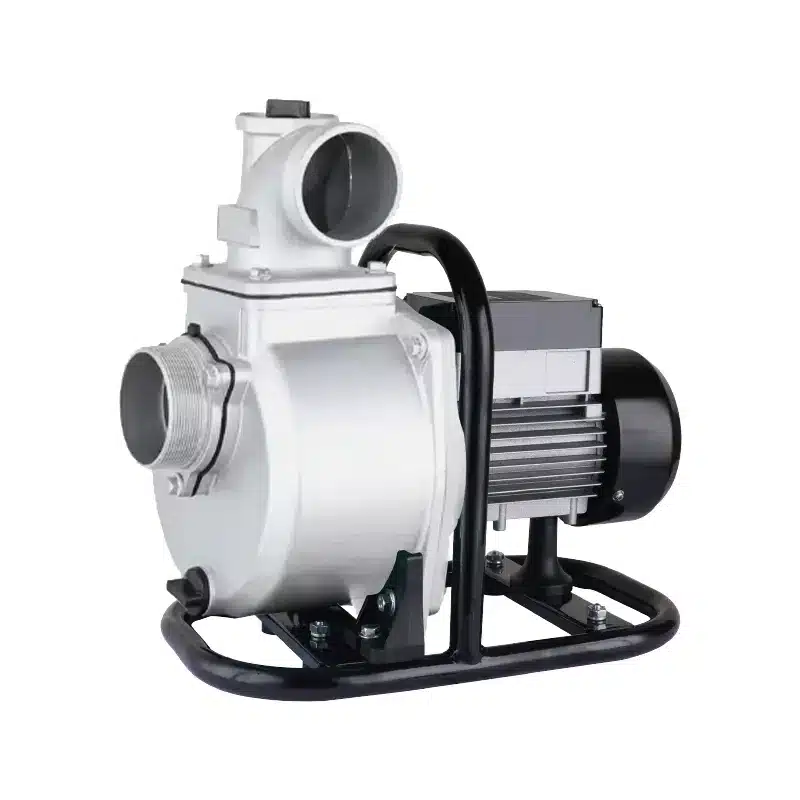
One WHC project datasheet pairs the ZK30-14 900 W, 96 V pump with two 550 W PV modules. However, that configuration cannot establish flow or daily yield at your site. Therefore, request the pump curve, controller limits and PV configuration for the package on offer. Compare those inputs against the same duty point when shortlisting solar submersible pump options.
4. Financing and local service affect which projects proceed
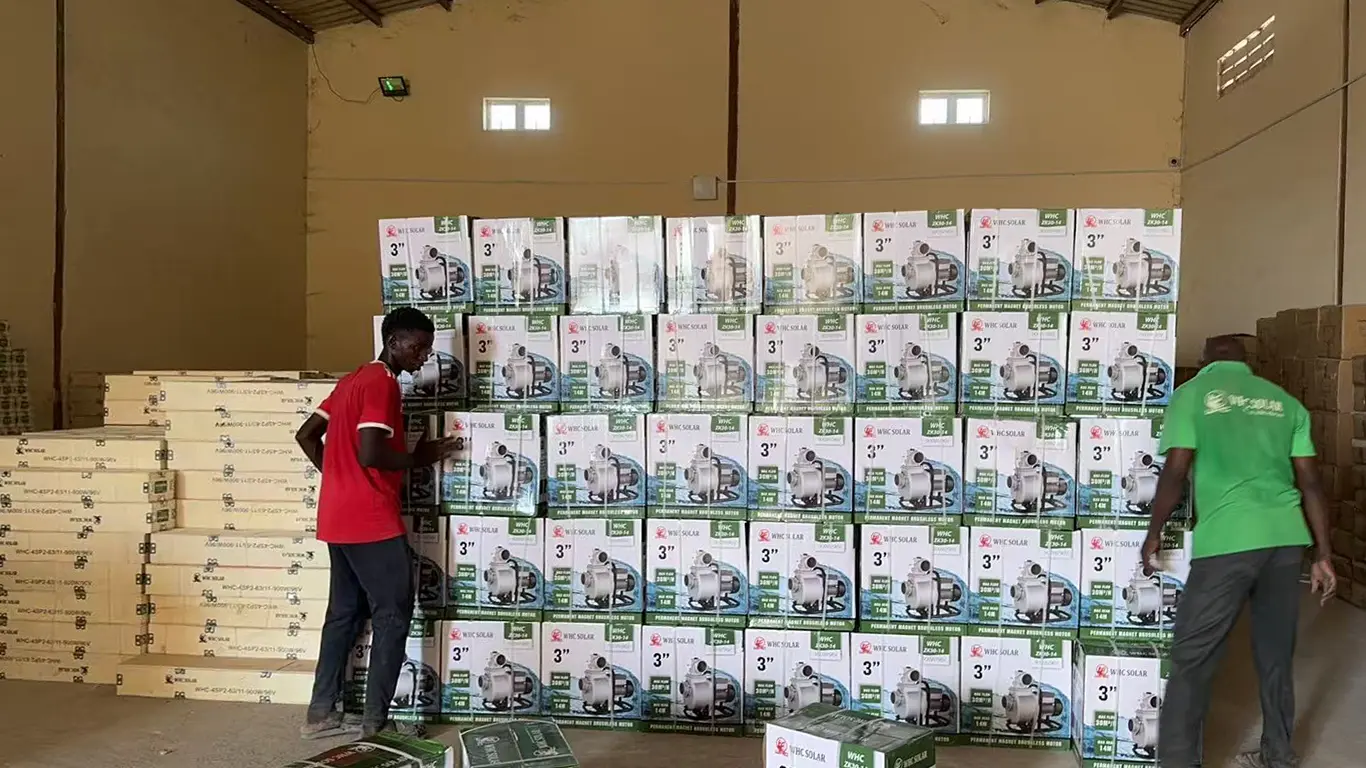
The 2026 market report also identifies affordability and financing as constraints for higher-cost productive-use equipment. For irrigation buyers, this means reviewing cash flow and service together. First, separate the equipment deposit, installation milestones and seasonal operating costs. Then verify the finance terms with the provider before you price the offer. Finally, ask who stocks spare controllers and pumps, who handles claims and what an in-season service visit costs.
Turn the four trends into procurement checks
| Market or project signal | Ask for | Decision it supports |
|---|---|---|
| Uneven order pipeline | Qualified enquiries, funding status and order dates. | Which configurations to stock and which to quote by project. |
| Bundled works tender | Scope schedule, exclusions and commissioning responsibilities. | Whether competing bids cover the same work. |
| Seasonal water constraints | Source yield, design water level, head and daily water target. | Whether the offered package can meet the required duty. |
| Financing and service limits | Payment milestones, local spare parts and written service terms. | Whether the project can be funded and maintained through the season. |
How two West African buyers could use these checks
Nigeria: a distributor preparing for dry-season orders
A distributor receives enquiries from installers working across several farming districts. First, the distributor can group confirmed orders by water source and duty point. If delivery depends on financing, installers can flag which orders have cleared that step. Then the distributor can stock approved spares for packages used at several sites.
Senegal: an EPC team pricing a cooperative irrigation package
An EPC team is asked to quote a pumping system and distribution line. To compare offers, the team can give all bidders the same water level, discharge pressure and daily volume. It can also ask them to list civil and electrical exclusions separately. Review WHC Solar water pump project references when requesting supporting experience for a specific application.
FAQ
Do global solar water pump sales predict local tender demand?
Global sales provide context. For local purchasing decisions, however, look at verified tenders, funded projects and enquiries in the territory you serve.
What data should buyers send before asking for a solar pump price?
Send the site location, water source, pumping level, daily water requirement, pipe route and required pressure. In addition, include quantities, installation scope and the procurement deadline.
Can we compare solar irrigation quotes by pump wattage?
Compare the water delivered at the required head in the design season. Then check the controller, PV configuration, installation scope and support included in each offer.
Request a solar irrigation configuration and B2B quote
Use these solar water pump trends to plan stock, shortlist sites and compare bids. Once you have that information, ask for a package sized to your project. Send WHC Solar your irrigation requirements with the project location, water-source data, daily volume, total dynamic head, quantity and tender scope. Ask for a model-specific configuration and an itemised quotation your team can evaluate.