
For African retail chains, petrol stations, pharmacies, mini-markets, and roadside commercial outlets, a solar system solution is not only a backup power product. It is a business continuity package that helps keep payment systems, lighting, refrigeration, fuel dispensing, security, communication, and customer service running during grid instability.
Across West Africa, Central Africa, and Sub-Saharan Africa, many commercial buyers face unstable grid supply, high diesel cost, and repeated service interruption. The IEA Africa Energy Outlook notes that mini-grids and stand-alone systems, many of them solar based, remain important for electricity access in rural areas. In addition, the World Bank Mission 300 connects reliable electricity with agriculture, business growth, processing plants, and job creation across Africa.
For distributors and solar installers, this market creates repeatable demand. However, the package must match real commercial loads. A petrol station does not use power like a pharmacy. A cold drink shop does not need the same backup design as a supermarket branch. Therefore, buyers should plan the complete system before ordering panels, inverters, batteries, and accessories.
Why Retail Chains and Petrol Stations Need a Complete Solar System Solution
Retail businesses depend on stable electricity for daily transactions. When power fails, POS machines stop, lighting becomes poor, refrigerators lose temperature, security cameras go offline, and customers may leave. Petrol stations face additional pressure because fuel dispensers, payment terminals, office systems, canopy lighting, and safety equipment all need reliable power.
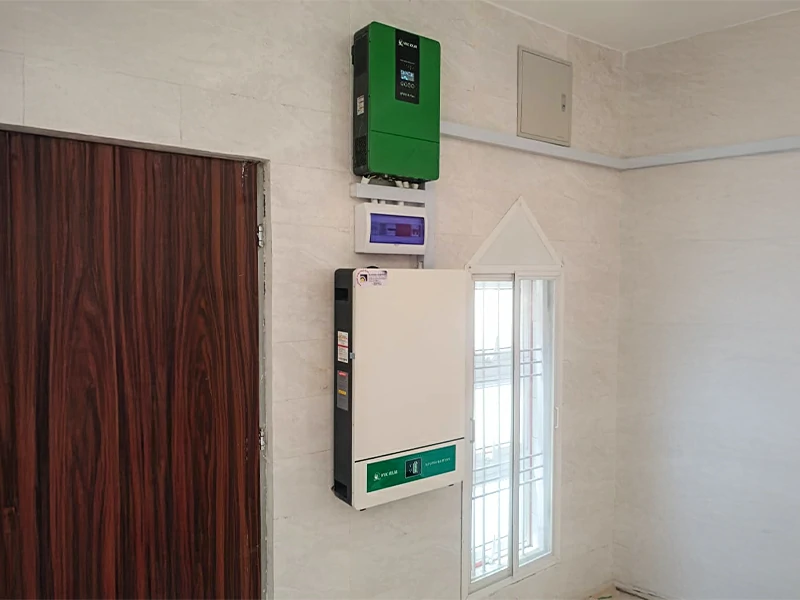
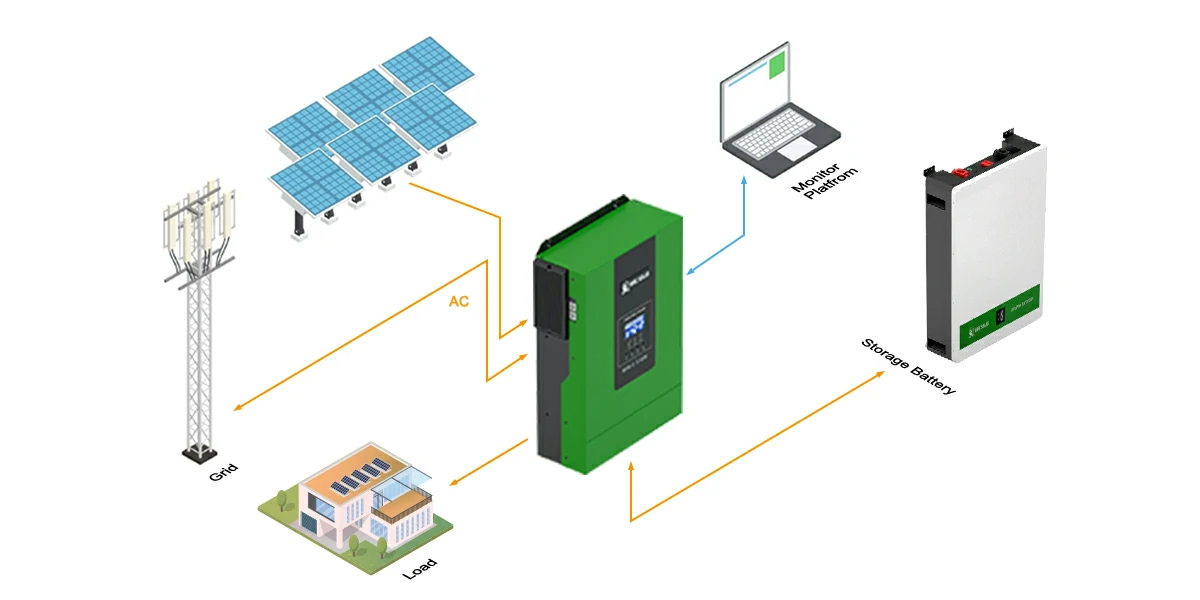
A complete solar system solution helps buyers combine PV panels, inverter, battery, controller or MPPT function, protection devices, cables, mounting structure, and optional generator support into one workable package. This is different from buying separate components without checking compatibility.
WHC Solar positions itself as a full solar energy solution provider. On its solar energy system page, WHC Solar presents residential, commercial, hybrid, and energy storage system options for different project requirements. For African distributors and installers, this supports package planning instead of one-by-one product sourcing.
Typical Loads in Retail and Petrol Station Projects
Before choosing a solar system package, the buyer should list all major loads and divide them by priority. This prevents oversizing the battery for non-critical loads and reduces the risk of selling a package that cannot support real business operation.
| Business Type | Common Loads | Backup Priority | Package Planning Note |
|---|---|---|---|
| Retail shop | Lighting, POS, router, fan, phone charging, small freezer | Medium to high | Standardized packages help distributors sell faster to repeat shop buyers. |
| Pharmacy | Lighting, POS, computer, medicine refrigerator, security | High | Refrigeration load and backup duration should be checked carefully. |
| Mini-market | Freezers, drink coolers, lighting, POS, fans, CCTV | High | Compressor startup current can affect inverter selection. |
| Petrol station | Fuel dispenser, canopy lighting, office, POS, security, signage | High | Separate fuel operation loads from comfort and advertising loads. |
How to Build Profitable Solar System Packages for Distributors
Distributors usually need packages that are easy to explain, easy to stock, and suitable for common local demand. Instead of buying only one popular inverter or one battery size, a better approach is to prepare several system classes for different business sites.
A small shop package may focus on lighting, POS, router, fan, and phone charging. A pharmacy package should include refrigeration backup. Meanwhile, a petrol station package may require stronger inverter capacity, longer backup time, and more careful wiring protection.
WHC Solar’s solar inverter and hybrid inverter product pages can help buyers compare inverter options for different system sizes. For larger commercial projects, the 100kW-10MW solar energy system page is more suitable for industrial and high-load commercial applications.
Solar System Solution Package Comparison
The following table gives a practical framework for package planning. Final system sizing still requires a real load list, local sunlight condition, battery backup target, installation area, and site wiring review.
| Package Class | Typical Buyer | Core Configuration Focus | Main Business Value |
|---|---|---|---|
| Basic shop backup | Small retail stores, kiosks, pharmacies without large cooling loads | Hybrid inverter, PV panels, lithium or gel battery, basic protection accessories | Keeps lights, POS, router, and small devices working during outages. |
| Retail refrigeration backup | Mini-markets, cold drink shops, medicine stores, small supermarkets | Higher inverter surge capacity, larger battery bank, refrigeration load review | Protects refrigerated products and reduces generator runtime. |
| Petrol station backup | Fuel stations, roadside service centers, chain station operators | Fuel dispenser load, canopy lighting, office load, security, optional generator input | Improves service continuity and supports safe night operation. |
| Chain outlet package | Retail chains, pharmacy chains, franchise operators, installer networks | Repeatable bill of materials, installation guide, spare parts, after-sales support | Makes multi-site deployment easier for distributors and installers. |
Key Components Buyers Should Confirm
Solar Panels
Solar panels should be selected according to roof space, mounting area, shading, daily energy demand, and installation environment. Retail shops may have limited roof area, while petrol stations may have canopy space that requires careful structural review.
Solar Inverter
The inverter must match load type, voltage, surge demand, and battery system. Refrigerators, freezers, pumps, and fuel dispensers may require higher startup support than simple lighting loads. Therefore, buyers should not choose an inverter only by rated power.
Battery System
The battery should be sized around backup time and critical load priority. Lithium batteries may be useful when buyers need longer cycle life, deeper discharge, and compact installation. Gel batteries may still fit some price-sensitive backup markets. The final choice should match budget, usage frequency, and after-sales expectations.
Protection and Installation Accessories
A reliable solar system solution should include breakers, surge protection, cables, connectors, mounting structure, grounding, battery protection, and clear wiring guidance. Missing accessories often create installation delays and after-sales complaints.
Procurement Checklist Before Ordering
Before ordering a complete package, buyers should prepare site and load information. This reduces quotation mistakes and helps the supplier recommend a more accurate system.
| Checklist Item | What to Provide | Why It Matters |
|---|---|---|
| Load list | Equipment power, quantity, voltage, and daily operating hours | Prevents under-sizing and wrong inverter selection. |
| Backup target | Required backup hours for POS, lighting, refrigeration, pumps, or dispensers | Controls battery capacity and total package cost. |
| Installation space | Roof photos, canopy photos, battery room space, cable path | Helps plan PV layout, cabinet position, and installation accessories. |
| Existing generator | Generator capacity, operating hours, fuel cost, changeover method | Supports hybrid backup planning and diesel reduction discussion. |
| Repeat order plan | Expected package quantity, target customer type, spare parts requirement | Helps distributors build a profitable and serviceable stock plan. |
Common Mistakes in Retail Solar Package Planning
The first mistake is selling one package to every shop. A pharmacy with medicine refrigeration, a small grocery store, and a petrol station have different backup priorities. If the system is too small, the customer complains. If it is too large, the distributor loses price competitiveness.
Another mistake is ignoring compressor and motor startup current. Refrigerators, freezers, pumps, and some fuel station equipment may require higher surge capacity. As a result, the inverter should be checked against the actual equipment, not only the total wattage.
A third mistake is forgetting installation accessories. In many African projects, delays happen because cables, protection devices, connectors, mounting parts, or battery cabinet accessories were not included in the shipment. A complete supplier should help buyers review the full bill of materials.
Finally, some buyers compare suppliers only by unit price. For repeat retail and petrol station projects, technical support, stable product matching, after-sales response, and consistent package supply are often more important than the lowest price. WHC Solar can support buyers through project quotation and solar system configuration for African commercial applications.
FAQ
What is the best solar system solution for a petrol station?
The best solution depends on fuel dispenser load, canopy lighting, office equipment, POS systems, security loads, backup hours, and existing generator use. A petrol station should not be sized like a small shop because some loads may have higher startup demand.
Can distributors stock standard solar packages for retail shops?
Yes. Distributors can prepare standard package classes for basic shops, refrigeration shops, pharmacies, and larger commercial outlets. However, installers should still confirm the final load list before installation.
Should retail solar packages use lithium batteries or gel batteries?
Lithium batteries are often suitable when the buyer needs deeper discharge, longer cycle life, and compact installation. Gel batteries may still fit price-sensitive backup demand. The best choice depends on budget, usage frequency, backup time, and customer expectations.
How can a solar system reduce diesel generator use?
Solar panels can support daytime loads and charge the battery. During outages or evening operation, the battery can support priority loads. The generator can then be reserved for long outages, cloudy periods, or high-load operation.
Can WHC Solar support complete package planning for African distributors?
Yes. WHC Solar provides solar energy systems, solar inverters, batteries, commercial solar systems, and related solution support for distributors, installers, and project buyers in African markets.
CTA
Planning solar backup packages for retail chains, petrol stations, pharmacies, or mini-markets in Africa? Contact WHC Solar to discuss load data, inverter and battery matching, package configuration, and B2B quotation support.