
For African distributors and EPC contractors, selecting a solar street light supplier is a project risk decision, not a simple lamp purchase. Road, estate and public lighting buyers expect stable night lighting, safe poles, realistic battery backup and clear installation guidance. If the supplier only quotes wattage and price, the buyer may miss the real problems that cause complaints after shipment.
This checklist helps B2B buyers compare complete solar street light systems for African road lighting, estate lighting and public lighting projects. It focuses on supplier qualification, battery and panel matching, controller settings, pole configuration, bulk order support and after-sales risk before the purchase order is confirmed.
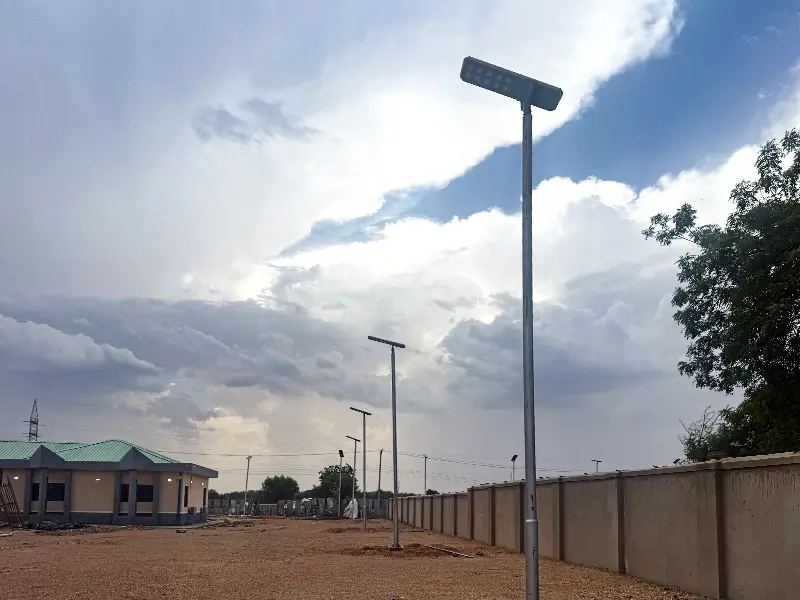
Why the Supplier Checklist Matters Before Bulk Orders
A solar street light supplier should provide more than a product photo and a low unit price. In African markets, one order may serve road contractors, estate developers, public facilities, schools, communities or rural towns. Each buyer may use the same phrase, but the operating conditions are different.
The IEA Africa Energy Outlook 2022 highlights the ongoing need for reliable electricity access across Africa. For public lighting buyers, off-grid solar street lights can support safer movement, longer business hours and basic outdoor security where grid supply is weak or unavailable.
For that reason, distributors should evaluate the whole supply package. The check should include product range, battery chemistry, solar panel size, controller protection, pole structure, spare parts, packing, documentation and the supplier’s ability to support repeat orders.
WHC Solar supplies solar lighting as part of a broader solar solution portfolio. Buyers can review the solar street light product range and the solar street light supplier project page before preparing a quotation request.
Supplier Qualification Checklist
Before comparing price, confirm whether the supplier can support your real buying scenario. A distributor stocking for retail dealers needs stable models and packaging. An EPC contractor bidding for a road project needs technical documents, matched components and project communication.
| Checklist Item | What to Ask | Why It Matters for African Projects |
|---|---|---|
| Product range | Can the supplier provide all-in-one, split and project-type solar street lights? | Different customers need different structures for roads, estates, compounds and public areas. |
| Battery configuration | What battery chemistry, capacity and protection design are used? | Battery mismatch causes short lighting time, high complaint risk and faster replacement demand. |
| Solar panel matching | Is the panel selected for the working hours and rainy season target? | A small panel may reduce cost but weaken charging performance after cloudy days. |
| Controller and lighting mode | Does the controller support suitable dimming, timer or sensor modes? | Lighting mode affects battery use, brightness and customer satisfaction at night. |
| Pole and mounting support | Can the supplier recommend pole height, arm type, bracket and foundation requirement? | Pole selection affects road coverage, safety and installation cost. |
| B2B order support | Can the supplier provide packing lists, model consistency and quotation documents? | Distributors and contractors need repeatable supply, not one-time sample information. |
Match the Supplier to the Application Scenario
A strong solar street light supplier should ask about the project before recommending a model. If every buyer receives the same quotation, the supplier may be treating a road project, an estate gate and a public facility as the same problem.
Road Lighting Projects
Road lighting needs attention to pole height, spacing, LED power, beam angle, battery backup and installation safety. Contractors should share road width, pole distance, lighting hours and any tender requirements. For larger orders, packing and spare parts also need to be confirmed early.
Estate and Compound Lighting
Estate projects often focus on security, entrance lighting, parking areas and internal roads. These buyers may prefer clean appearance, simple maintenance and stable dimming modes. Distributors can offer all-in-one models for easier installation or split models when the site needs stronger configuration flexibility.
Public Lighting for Schools, Clinics and Community Areas
Public facilities need lighting that is understandable for local installers and maintainable after delivery. A supplier should provide clear product labels, installation accessories and basic guidance. Public buyers often care about reliability and service support more than the lowest first price.
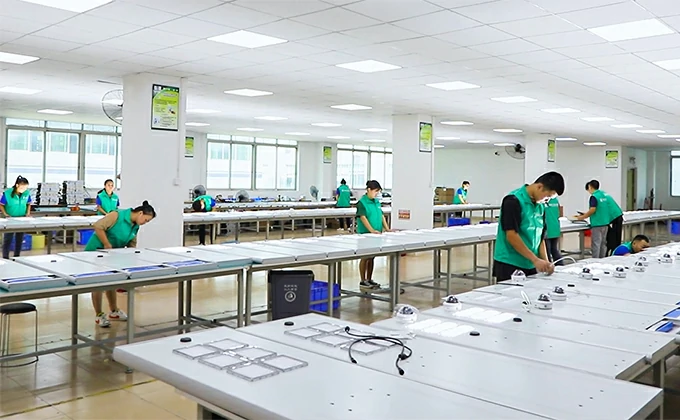
Battery, Panel, Controller and Pole Checks
Solar street lights fail most often when one part of the system is undersized or poorly matched. B2B buyers should check the following points before confirming the order.
Battery Check
Ask for the battery type, rated capacity, protection method and installation position. For lithium battery street lights, confirm whether the design is suitable for high-temperature outdoor use and whether the battery can be serviced or replaced when needed. Do not judge battery value only by ampere-hour figures, because voltage and usable energy also affect the final result.
Solar Panel Check
The panel must recharge the battery under normal local sunlight. In dusty or rainy markets, buyers should allow a practical safety margin. A supplier that understands African applications should discuss working hours, rainy-day backup and local maintenance habits before finalizing the panel size.
Controller Check
The controller should protect the battery and keep the lighting mode stable. For project buyers, ask whether the mode is pre-set before shipment and whether local installers can adjust it if needed. A confusing controller setting can create false product complaints even when the hardware is good.
Pole Check
Pole height and structure should match the road or site. A high pole with a weak foundation is a safety risk. A low pole may not cover the road properly. Buyers should check pole height, thickness, arm design, galvanizing or surface treatment requirements and packing method before shipment.
All-in-One vs Split Solar Street Light for B2B Stock
Both structures can be useful. The best choice depends on the distributor’s customer base, project type and installation capability.
| Option | Best Use | Buying Advantage | Procurement Risk |
|---|---|---|---|
| All-in-one solar street light | Retail stock, compounds, small roads, simple community lighting | Compact package and easier installation for local buyers | Limited room for larger panel or battery customization |
| Split solar street light | Road projects, school roads, public facilities and municipal supply | More flexible panel, battery and pole matching | Installation quality and cable protection must be controlled |
| Project-type custom set | Contractor orders, estate roads, larger public lighting projects | Better fit for working hours, pole height and site layout | Requires clearer project information before quotation |
Questions to Send Before Requesting a Quotation
To get a useful quotation from a solar street light supplier, buyers should prepare project information instead of asking only for a price list. A complete request helps the supplier recommend the right model and reduce later changes.
Send the target country, buyer type, order quantity, preferred light structure, road width or site photos, required lighting hours, rainy-day backup target, pole requirement, packaging need and any tender documents. If the order is for resale stock, explain the most common customer scenario in your local market.
For supplier evaluation, the GOGLA market insights and data are useful for understanding the wider off-grid solar market context. Buyers should still base the final product selection on project conditions, supplier documentation and local installation capability.
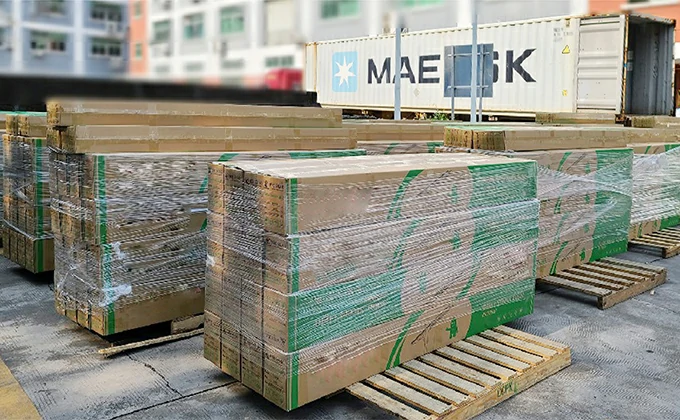
Signs of a Strong Solar Street Light Supplier
A strong supplier gives clear answers before payment. The team should explain product structure, component matching, lighting mode, expected use scenario, packing and after-sales process. For repeat B2B buyers, model stability and communication speed are often as important as the first quotation.
Buyers should also check whether the supplier can support related solar products. Some distributors sell solar street lights together with batteries, inverters and small solar systems. WHC Solar’s broader product pages, including solar battery solutions and solar inverter products, can help distributors build a wider solar product package for the same market.
Conclusion
A solar street light supplier checklist should cover the full system: LED light, solar panel, battery, controller, pole, packing, documents and after-sales support. For African distributors and EPC contractors, the right supplier can reduce installation problems, protect local reputation and support repeat project orders.
WHC Solar supports B2B buyers with solar street light product selection, configuration guidance and complete solar solution supply for African markets.
FAQ
What should distributors check before choosing a solar street light supplier?
They should check product range, battery capacity, panel matching, controller mode, pole configuration, packing, spare parts, documentation and the supplier’s ability to support repeat B2B orders.
Is an all-in-one solar street light good for African distributors?
Yes, it can be good for retail stock, compounds and small community lighting because installation is simple. For road or public lighting projects, a split or project-type system may offer better configuration flexibility.
Why does battery capacity matter in solar street light projects?
Battery capacity affects lighting hours and rainy-day backup. If the battery is too small for the LED load and site conditions, the light may dim too early or stop working before morning.
What information should buyers send to WHC Solar?
Buyers should send target country, application scenario, order quantity, road width or site photos, working hour target, rainy-day backup needs, pole requirement and any tender or project document.
Can WHC Solar support complete solar street light orders for Africa?
WHC Solar can support B2B solar street light selection and quotation for distributors, EPC contractors and public lighting buyers serving African markets.