
For clinics, pharmacies, retail shops and small offices in Africa, unstable power can stop daily business immediately. A vaccine refrigerator, POS machine, security camera, computer, fan or lighting circuit may look like a small load, but the wrong inverter and battery match can still cause shutdowns, overload alarms and battery damage.
A solar inverter power supply should be selected from the real load list, not only from a popular inverter model. African installers, EPC contractors and distributors need to confirm running watts, surge power, battery voltage, charging source and backup hours before ordering equipment for local projects.
This guide explains how to match inverter, battery and load for small commercial sites in Africa, West Africa, Central Africa and Sub-Saharan Africa. It is written for B2B buyers who need repeatable configurations, fewer after-sales problems and clearer quotation logic.
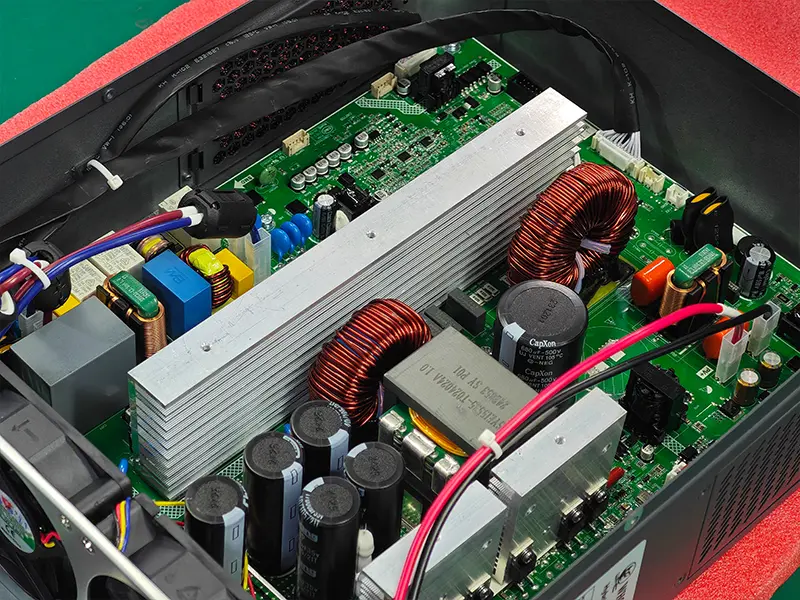
Why Solar Inverter Power Matters for Clinics and Shops
Clinics and shops often need reliable power for essential loads rather than every appliance on site. A small clinic may need lighting, a vaccine refrigerator, communication equipment, a fan, small laboratory devices and phone charging. A shop may need lighting, freezer, POS terminal, router, security cameras and office equipment.
The IEA Africa Energy Outlook 2022 highlights that many people in Sub-Saharan Africa still lack access to electricity, while solar-based mini-grids and stand-alone systems are important options in rural areas. For small commercial buyers, this means solar power is not just an environmental choice. It is often a reliability and business-continuity decision.
For health-related sites, power quality matters even more. The World Health Organization explains that electricity is needed for health-care services such as lighting, communications, water supply, vaccine refrigeration and essential medical devices. Its fact sheet on electricity in health-care facilities shows why backup power planning is important for clinics in low- and lower-middle-income countries.
WHC Solar provides solar products and integrated system support for B2B buyers. Installers can review WHC Solar’s hybrid solar system options when preparing small commercial configurations that combine solar panels, batteries and hybrid inverters.
Start With the Load List Before Choosing the Inverter
The first step is to list the equipment that must keep running during an outage. Buyers should record the rated wattage, quantity, working hours and starting behavior of each load. Refrigerators, freezers, pumps and some tools may need higher surge power when they start. Therefore, an inverter that matches only the running wattage may still trip when the compressor starts.
A practical load list should separate essential loads from optional loads. Essential loads may include clinic refrigerators, lights, POS machines, routers and security systems. Optional loads may include extra fans, entertainment devices or high-power tools. This separation helps the supplier recommend the right inverter size and battery capacity without oversizing the project.
For B2B distributors, this also helps with stock planning. A distributor serving clinics may need more stable hybrid inverter and battery packages. A distributor serving retail shops may need several standard packages for freezers, lights and POS equipment.
Hybrid Inverter or Off-Grid Inverter?
Most African clinic and shop projects use either a hybrid inverter or an off-grid inverter. The right choice depends on whether the site has grid power, how often outages happen and whether the buyer wants solar charging, utility charging or both.
| Inverter Type | Best-Fit Site | Buyer Checkpoint |
|---|---|---|
| Hybrid solar inverter | Clinics, shops and offices with grid power but frequent outages | Confirm PV input, battery voltage, utility charging, output priority and battery compatibility. |
| Off-grid solar inverter | Remote sites without stable utility power | Confirm solar array size, battery capacity, backup hours and generator charging needs. |
| Three-phase inverter | Larger clinics, workshops or commercial buildings with three-phase loads | Confirm phase requirement, motor load, distribution cabinet and installation protection. |
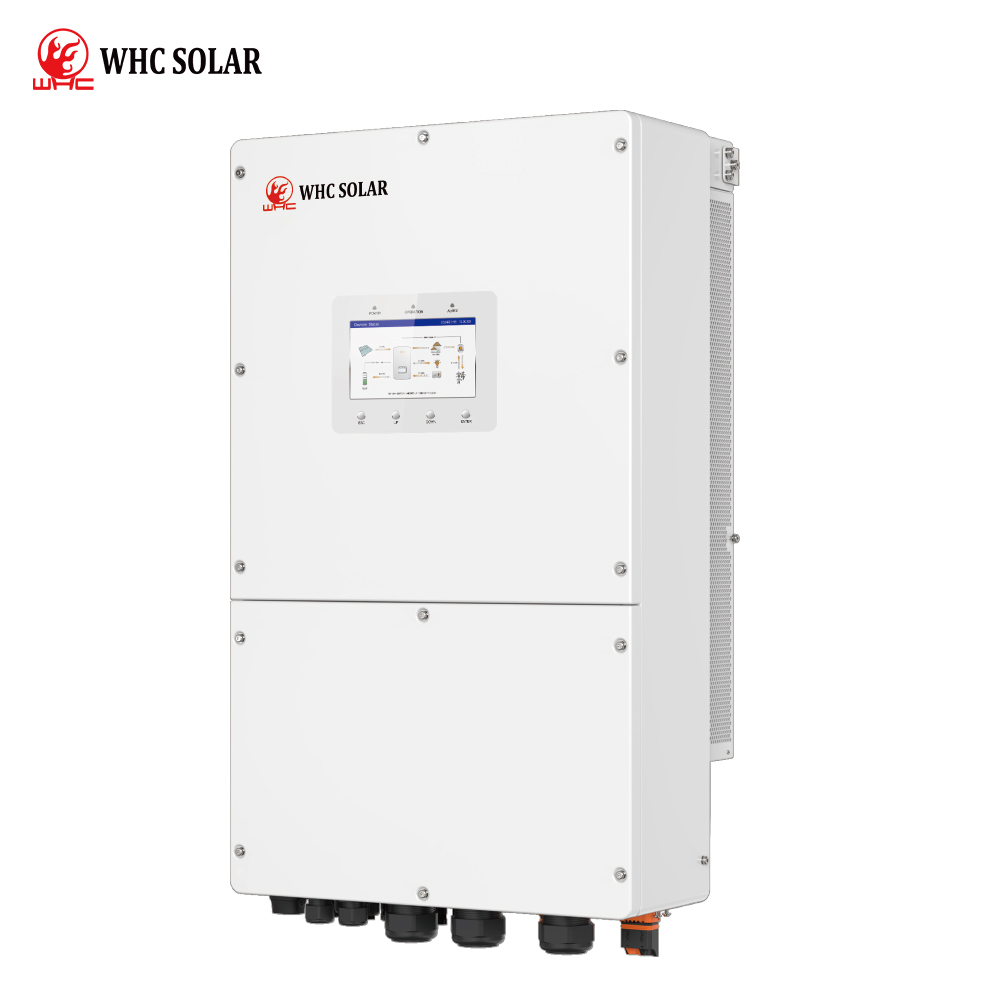
WHC Solar’s small hybrid inverter products include options such as the 1.2KW single phase hybrid solar inverter and the 2KW single phase solar hybrid inverter. For larger commercial projects, buyers can also review WHC Solar’s three phase inverter range.
How to Match Battery Capacity With Backup Time
Battery sizing should start from energy demand. The basic formula is simple: load power multiplied by backup hours equals required watt-hours. For example, if essential clinic loads are 800W and the buyer needs 6 hours of backup, the system needs about 4.8kWh before adding design margin and considering inverter efficiency, battery depth of discharge and site conditions.
Battery voltage must also match the inverter. A 12V system may fit very small loads, while 24V or 48V systems are more common when power demand increases. For B2B buyers, this decision affects cable size, expansion flexibility, shipping cost and installer training.
When lithium batteries are used, the supplier should check BMS communication and charging settings. When gel batteries are used, charging voltage and installation ventilation should be checked. In either case, different battery types, ages and capacities should not be mixed casually in one system.
Typical Configurations for Clinics and Shops
Small Clinic Backup Package
A clinic backup package may support lighting, a vaccine refrigerator, communication devices, small fans and a laptop or printer. The buyer should prioritize stable sine wave output, enough surge allowance for refrigeration and battery backup that covers evening or outage periods.
Retail Shop and Pharmacy Package
A shop or pharmacy may need power for lighting, freezer, POS terminal, router and security camera. In this case, the solar inverter power supply should be designed around daily business hours and freezer start-up power. A hybrid inverter can be useful if grid power is available but unreliable.
Small Office or Service Center Package
A service office may have computers, routers, printers, lights and fans. These loads are easier to manage than compressor loads, but backup time can still be important. The installer should confirm whether the customer needs full-day operation or only outage protection.
Configuration Checklist for B2B Buyers
Before ordering a solar inverter power supply package, distributors and EPC contractors should confirm the project information below.
| Project Item | Information to Collect | Why It Affects Quotation |
|---|---|---|
| Load list | Appliance power, quantity, working hours and surge load | Determines inverter power and overload margin. |
| Backup target | Required hours during outage or night use | Determines battery capacity and system cost. |
| Grid condition | Off-grid, weak-grid or normal-grid site | Helps choose hybrid, off-grid or grid-supported configuration. |
| Battery type | Lithium battery or gel battery preference | Affects charging settings, lifecycle expectation and after-sales support. |
| PV space | Roof area, mounting direction and shading | Determines solar panel quantity and charging speed. |
| Local support | Installer skill, spare parts and user training | Reduces project complaints after delivery. |
Common Mistakes That Increase After-Sales Risk
The first mistake is choosing the inverter only by the number printed on the model. A 2kW inverter may not be enough if the site has high starting loads. The second mistake is using battery capacity without checking usable energy. A battery bank can look large on paper but still deliver short backup time if the system is poorly configured.
The third mistake is ignoring installation conditions. Dust, heat, poor cable connection and weak protection can shorten system life. Product features such as pure sine wave output, built-in MPPT charging, output priority settings and battery activation support should be matched with the actual site.
Finally, buyers should not treat a clinic or shop system as a single product purchase. It is a small solar solution made of inverter, battery, solar panels, cable, protection and installation support. WHC Solar’s solar power station page can help buyers understand complete system planning rather than isolated product selection.
How WHC Solar Supports Inverter and System Buyers
WHC Solar is positioned as a full solar energy solution provider for B2B buyers. For African distributors and EPC contractors, the useful support is not only sending an inverter quotation. The more important value is helping match inverter capacity, battery size, solar panel input and project scenario.
For repeat buyers, WHC Solar can help organize common configurations for clinics, shops, small offices and service centers. This makes it easier for distributors to train local installers and quote similar projects faster. For EPC contractors, a clearer load list also helps reduce design changes during installation.
To request a configuration, prepare the site location, load list, backup-hour target, battery preference, grid condition and quantity. Then contact WHC Solar through the WHC Solar contact page for project matching and B2B quotation support.
Conclusion
A reliable solar inverter power supply for African clinics and shops starts with the load, not the product catalog. Buyers should calculate running power, surge power, backup hours, battery capacity and solar charging needs before choosing a hybrid or off-grid inverter.
For clinics, pharmacies, retail shops and small offices, the best system is usually the one that protects essential loads, keeps installation simple and reduces after-sales complaints. WHC Solar can support African installers, distributors and EPC contractors with inverter selection, battery matching and complete solar system configuration.
FAQ
What size solar inverter is needed for a small clinic?
It depends on the clinic load list, especially refrigerators, lights, fans, computers and any medical equipment. Buyers should calculate running watts and surge watts before choosing inverter size.
Can a shop use a hybrid solar inverter?
Yes. A hybrid solar inverter is suitable when the shop has grid power but needs solar charging and battery backup during outages.
How do I calculate battery capacity for backup power?
Multiply the essential load power by the required backup hours, then add design margin for inverter efficiency, battery usable capacity and local site conditions.
Should clinics use lithium batteries or gel batteries?
Both can be used when configured correctly. Lithium batteries are often preferred for higher usable energy and easier maintenance, while gel batteries may fit price-sensitive projects. Charging settings must match the battery type.
What should distributors provide before asking for a quotation?
Distributors should provide load power, backup hours, grid condition, battery preference, solar panel space, target quantity and local installation requirements.