
A hybrid solar inverter supplier should answer three separate questions before an African coastal project places an order: does the enclosure suit the installation, what corrosion evidence covers the exact model, and can the proposed location remove heat? A high IP number alone does not answer all three.
For installers and project distributors, coastal solar inverter selection is a site-approval task as well as a load-matching exercise. Resolve exposure, cooling and maintenance responsibilities before comparing equipment prices.
Start with an exposure record, not a coastline label
Request photographs of the proposed wall, roof, ventilation openings and nearby equipment. Record salt spray or deposits, wind-driven rain, direct sunlight, flooding history and cleaning practices. Distance from the sea is useful context, not a universal approval threshold.
Also identify condensation, workshop dust and chemical exposure. A ventilated plant room can admit salty air, while a covered wall can still receive wind-driven spray. Confirm whether the owner can inspect the equipment and maintain the installation throughout its service life.
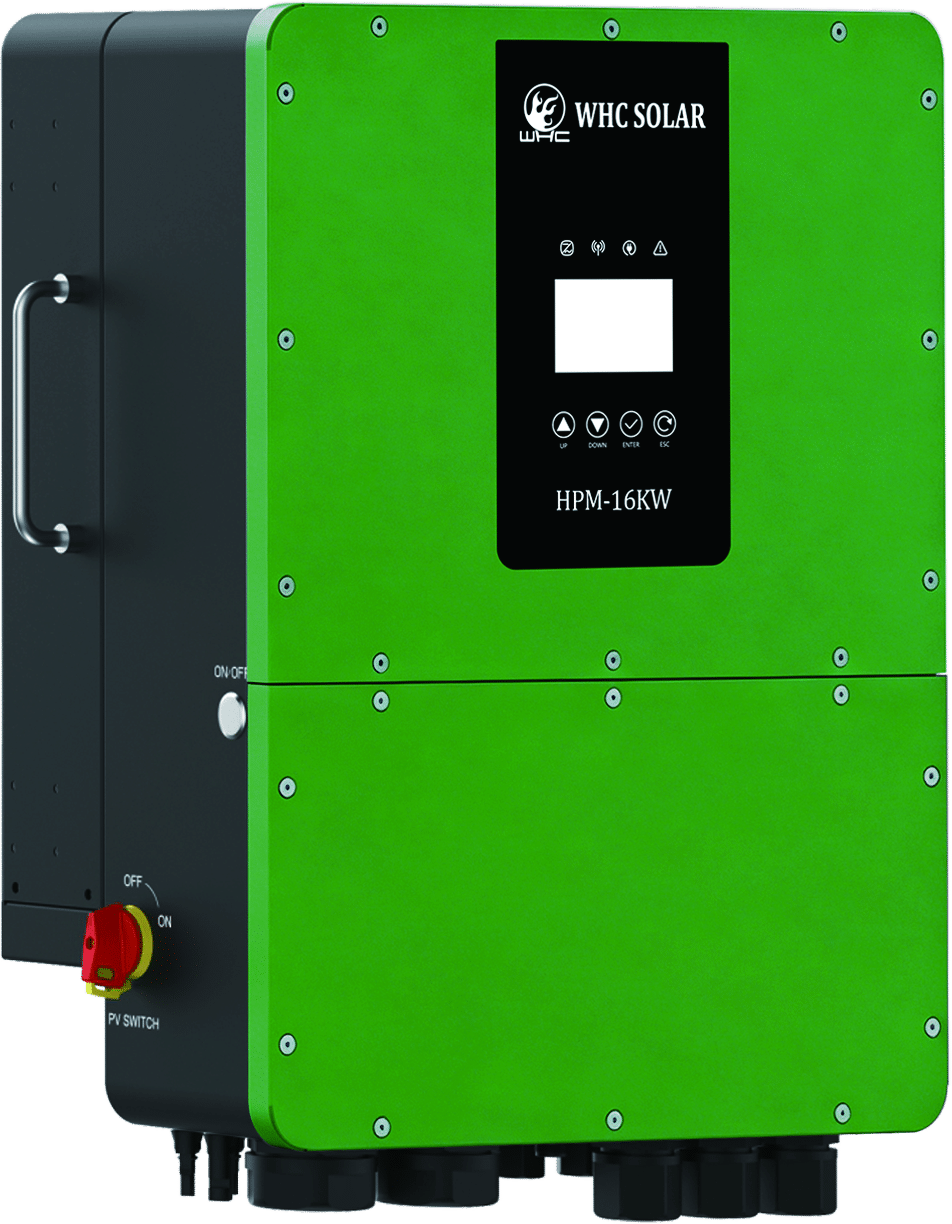
Then match phase, voltage, continuous load, starting demand and battery requirements. WHC Solar’s solar inverter range includes different equipment families. An enclosure rating should not override electrical suitability.
Separate IP protection from corrosion evidence
IEC 60529, the IP Code standard, classifies enclosure protection. Treat a stated IP rating as evidence within its defined scope, not a blanket claim of marine durability or resistance to every cleaning method.
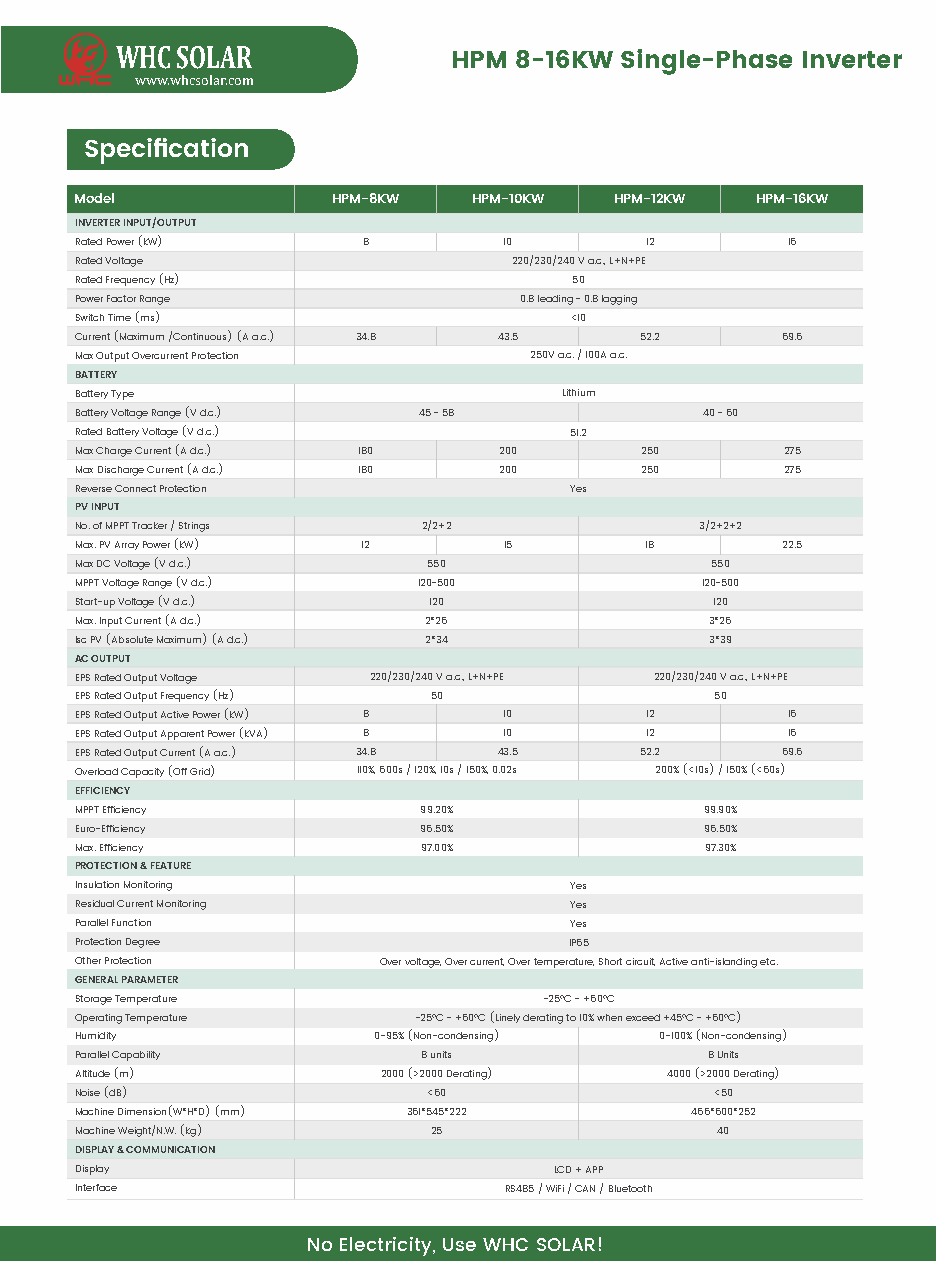
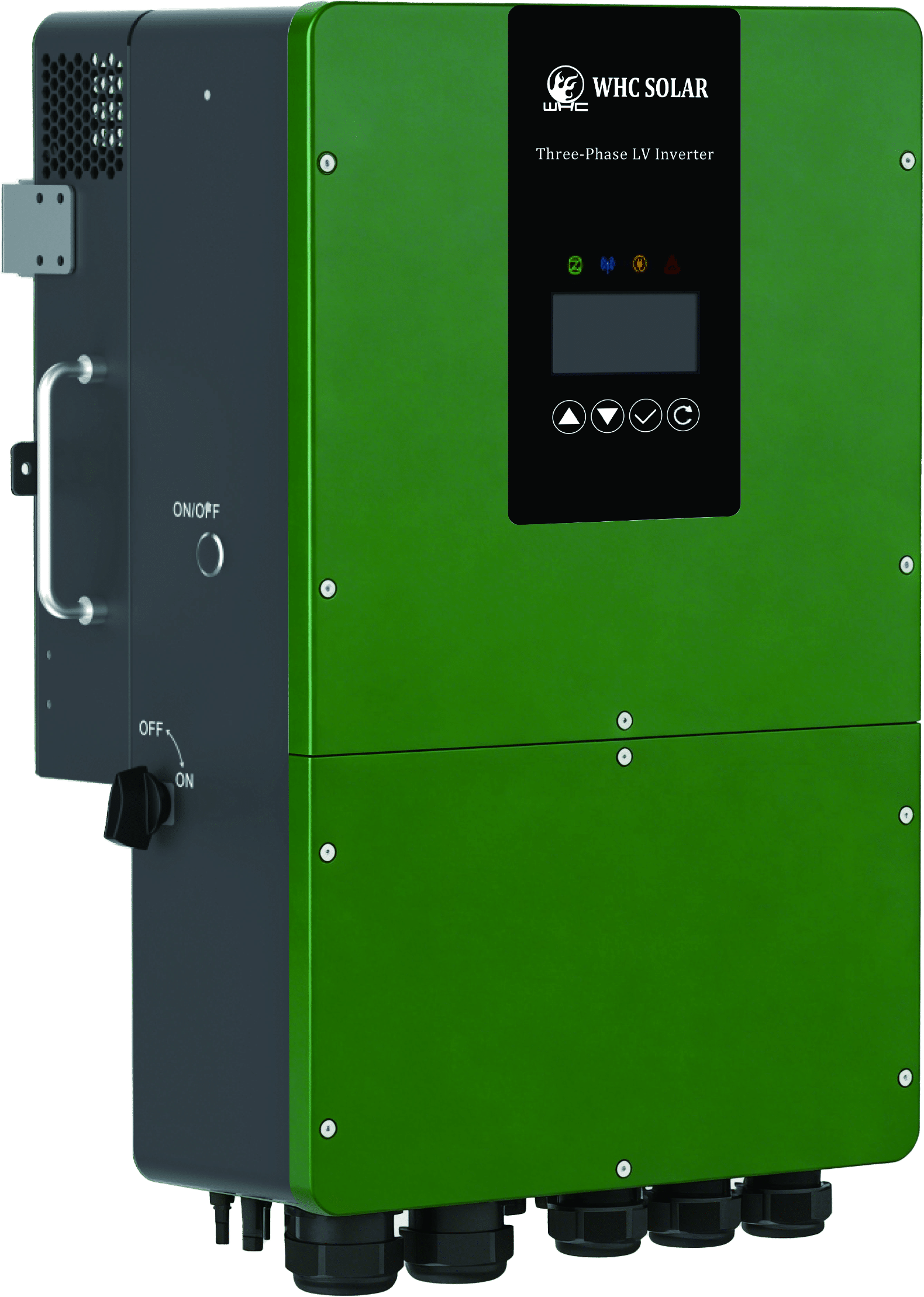
For example, WHC’s HPM datasheet lists an 8–16 kW single-phase range with IP65 protection. The three-phase LV datasheet lists 8–24 kW models with IP66 protection. These are family-specific specifications, not proof that every WHC inverter has the same enclosure or coastal suitability.
Ask what the corrosion report actually tested
IEC 60068-2-52 describes cyclic salt-mist testing for components or equipment exposed to salt-laden atmospheres. Its scope is different from an IP classification.
If corrosion resistance is claimed, request the report identifier, laboratory, test method, exposure conditions, acceptance criteria and exact tested model. Establish whether the evidence covers a complete inverter, an enclosure finish or individual components. A coating sample is not automatically evidence for assembled connectors, seals and electronics.
Neither reviewed WHC datasheet establishes a model-specific salt-mist result. Obtain that evidence separately before promising suitability for the proposed exposure. Do not convert laboratory test hours into guaranteed years at a coastal site.
Check coastal solar inverter cooling at the installation
Both reviewed datasheets state an operating range of -25°C to +60°C and identify derating above +45°C. The upper operating limit is therefore not a promise of full rated output throughout that range. Request the applicable power-versus-temperature curve for the quoted model.
Check expected temperature around the inverter during its demanding operating periods. Weather-station temperature alone may miss heat trapped under a roof, direct solar heating or exhaust from adjacent units.
Do not turn a sealed enclosure into a cooling problem
For illustration, an inverter delivering 10 kW at an assumed 96% efficiency has approximately 10 ÷ 0.96 – 10 = 0.417 kW of conversion losses. This is an illustrative heat-load calculation, not a WHC efficiency guarantee or ventilation specification.
A second protective cabinet can restrict heat removal. Obtain written approval for any added enclosure, shade structure or ventilation arrangement. Do not solve salt exposure by sealing the inverter into an unassessed box.
Require the model’s installation manual to specify mounting orientation, wall suitability, clearances on each side and access space. The reviewed datasheets do not supply installation-clearance dimensions. Do not invent a universal distance or reuse another model’s diagram.
Compare installation routes before supplier selection
Use this screening table to compare the installation scope alongside the inverter quotation. None of these locations is automatically approved.
| Location option | Potential advantage | Risk to price and resolve | Release evidence |
|---|---|---|---|
| Indoor equipment room | Reduced direct rain and spray exposure | Salty ventilation air, condensation and accumulated heat | Room conditions, cooling design and access approval |
| Sheltered external wall | Potential shade and easier natural heat removal | Wind-driven spray, deposits, security and maintenance access | Model environmental limits, mounting plan and exposure review |
| Additional protective cabinet | An engineered additional exposure barrier | Heat trapping, condensation and altered service clearances | Supplier approval of the complete enclosure and cooling arrangement |
Compare complete installed scope: equipment, approved shelter, mounting, cable entries, cooling and maintenance. A lower inverter price can exclude work necessary to make the location acceptable.
Inspect interfaces and maintenance boundaries
Confirm the specified glands, unused-entry closures, connectors and mounting hardware. Installation must preserve the intended enclosure protection. Do not drill extra openings or apply unapproved sealants or coatings as an improvised upgrade.
Ask who inspects seals, deposits, cooling surfaces and any serviceable fans or filters. Obtain manufacturer-approved cleaning instructions and maintenance intervals for the actual environment. Qualified personnel should perform work requiring electrical isolation or enclosure access.
For battery-backed projects, include battery enclosure, BMS communication, temperature limits and generator interfaces in the review. WHC Solar’s commercial solar solutions provide a broader configuration route; inverter IP protection alone cannot establish whole-system suitability.
Three typical African coastal project decisions
These are planning scenarios, not verified WHC customer installations.
Senegal: a coastal hotel service area
An installer compares a sheltered wall with an indoor service room. Review cooking exhaust, sea-facing openings and access during hotel operation. Choose the location before finalising cable routes and equipment pricing.
Ghana: a coastal maintenance workshop
A project distributor checks motor loads alongside dust, salt deposits and roof heat. An acceptable electrical rating does not remove the need to assess cooling and environmental evidence.
Cameroon: a port-service office
The buyer wants an added security enclosure. Include its ventilation and maintenance requirements in the supplier review. Do not assume that locking equipment inside a cabinet preserves its original operating conditions.
What a hybrid solar inverter supplier should confirm
Our procurement recommendation is to request one model-specific evidence pack: current datasheet, installation manual, applicable test reports, derating curve and approved site arrangement. Add written maintenance and warranty conditions, including any environmental exclusions.
Explore WHC Solar’s hybrid inverter options, then confirm the exact model and document revision for the quotation. For repeat orders, record approved accessories and hardware revisions so a substitution does not silently change the installation assumptions.
FAQ
Does IP66 automatically mean suitable for a coastal site?
No. Review corrosion evidence, environmental limits and the complete installation. An IP classification does not answer every exposure question.
Should a higher IP rating always win the comparison?
No. Compare electrical suitability, cooling, exposure evidence, installation conditions and service access together.
Can a cabinet compensate for missing corrosion evidence?
Not by assumption. The complete protective arrangement needs assessment, including ventilation and condensation risks.
What cooling clearance should installers allow?
Use the current installation manual for the exact model and orientation. Obtain written clarification where requirements are missing.
What should distributors submit before ordering?
Send site photographs, proposed mounting details, load and battery information, ambient conditions and maintenance arrangements.
Request a coastal project configuration review
Select a hybrid solar inverter supplier that separates documented ratings from project assumptions. Coastal solar inverter procurement should resolve ingress protection, corrosion evidence and heat removal before equipment release.
Send your coastal project details to WHC Solar for model selection, installation-condition clarification and an itemised B2B quotation. Include the proposed location and required supporting documents so unresolved environmental conditions remain visible before ordering.