
For African distributors, wholesalers, solar installers, and project developers, selling a complete solar system solution is often more valuable than selling single products. A buyer may ask for panels, but the real project usually needs a matched inverter, battery, cables, protection devices, mounting parts, and after-sales support.
Across West Africa, Central Africa, and Sub-Saharan Africa, many shops, clinics, farms, schools, offices, guest houses, and rural communities need stable electricity under weak-grid or off-grid conditions. The IEA Africa Energy Outlook highlights the importance of expanding reliable energy access in Africa, which creates strong demand for practical solar power packages.
This article explains how distributors can build complete solar system packages for local projects, what components should be included, how to compare package types, and how to reduce compatibility problems before selling to installers or project buyers.

Why Distributors Need Complete Solar System Packages
A distributor who sells only panels, batteries, or inverters may face many after-sales problems. The installer may choose the wrong inverter size, the end user may use too much load, or the battery may not match the charging voltage. As a result, the distributor becomes responsible for a system that was never correctly configured.
In our experience with African solar buyers, the strongest distributors usually build repeatable packages. For example, they may stock small systems for shops, medium hybrid systems for clinics and guest houses, and larger packages for farms or commercial buildings. This method makes quotation faster and helps local installers choose the right product combination.
WHC Solar positions itself as a full solar energy solution provider. Its product range includes solar systems, solar inverters, batteries, commercial storage systems, solar street lights, and solar water pumps. Buyers can review WHC Solar’s solar energy system supplier page to understand how panels, batteries, and inverters work together in practical solar applications.
Which Local Projects Need Different Solar System Solutions?
Not every project should use the same package. A small shop may only need basic backup for lighting and a freezer, while a clinic or school may need longer backup time and more stable inverter output. Therefore, distributors should organize product packages by application scenario instead of selling one fixed system to everyone.
| Local Project Type | Typical Loads | Recommended Package Focus | Distributor Risk |
|---|---|---|---|
| Small shop or kiosk | Lighting, phone charging, POS, fan, small freezer | Simple hybrid system with clear load limit | Customer overloads the inverter after installation |
| Clinic or school | Lights, fans, computers, medical or teaching equipment | Reliable backup, stable output, simple maintenance | Battery capacity is too small for backup hours |
| Farm or rural project | Water pump, lighting, security, small equipment | Motor load support and durable outdoor configuration | Wrong inverter type for pump starting current |
| Guest house or office | Lighting, pumps, computers, refrigeration, selected AC loads | Larger inverter, longer backup, better monitoring | Package is sold without load priority planning |
What a Complete Solar System Package Should Include
A complete solar system solution should not stop at solar panels. At minimum, distributors should consider solar panels, hybrid inverter, solar battery, cables, mounting structure, DC and AC protection, installation accessories, user instructions, and basic technical support.
WHC Solar’s system pages describe solar power systems as a combination of solar panels, batteries, and hybrid inverters. Its public product information also highlights hybrid solar system ranges, off-grid solar systems, and battery-based systems for different loads. This is important because African buyers often need complete set configuration, not only standalone products.
For distributors planning local inventory, WHC Solar’s hybrid solar system packages can be used as a reference for common package sizes. The page lists multiple system options such as 5KW-5KWH, 10KW-20KWH, 15KW-30KWH, 20KW-40KWH, and larger lithium storage packages.
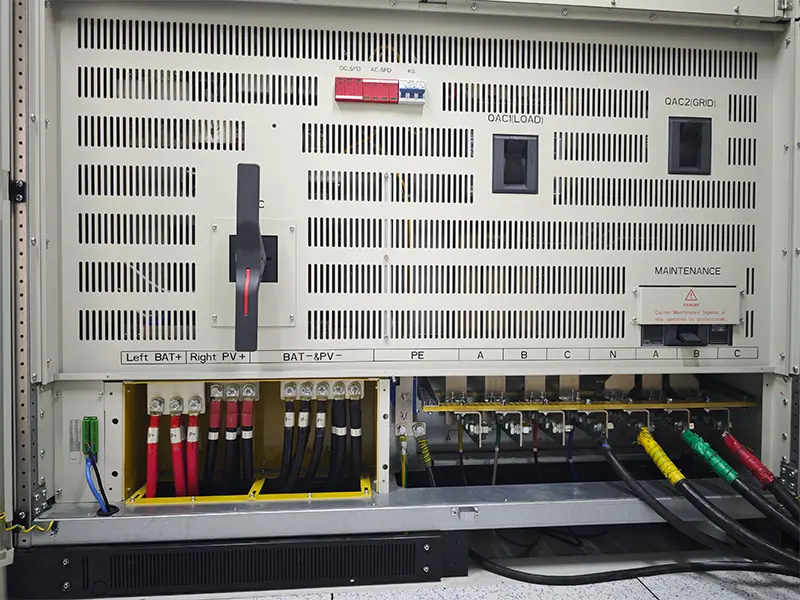
Small System vs Commercial Solar Package
Distributors should separate small retail-ready packages from larger project packages. A small package is easier to stock and sell, but it has limited load capacity. A commercial package requires more configuration work, but it can bring stronger project value and larger order size.
| Package Type | Best Fit | Main Components | Sales Risk |
|---|---|---|---|
| Small hybrid solar package | Shops, homes, small offices, installer resale | Panels, hybrid inverter, battery, cables, basic protection | End user connects loads beyond package limit |
| Medium project package | Clinics, schools, farms, guest houses | Larger inverter, more battery capacity, stronger PV configuration | Backup hours are not calculated before sale |
| Commercial solar package | Factories, offices, hotels, commercial buildings | Three-phase inverter, battery storage, PV array, monitoring, protection | Separate sourcing creates compatibility problems |
When distributors expand from small packages to larger projects, inverter selection becomes more important. WHC Solar’s solar inverter supplier page explains hybrid inverters, off-grid inverters, and different power capacities for solar systems.
How Distributors Can Reduce Compatibility and After-Sales Risk
A common mistake we see in solar system sourcing is mixing components without checking the full configuration. A battery may look suitable, but the inverter charging voltage may not match. A solar panel string may look powerful, but the inverter PV input range may be wrong. These issues often appear only after the installer starts the job.
To reduce risk, distributors should create package rules. For each package, they should define the recommended load range, inverter model, battery capacity, PV panel quantity, cable size, protection devices, and user warning notes. In addition, installers should receive a simple load checklist before selling the package to the final project owner.
The World Bank has reported strong growth in off-grid solar connections in Sub-Saharan Africa. Its off-grid solar report shows why reliable distributed energy solutions are important in markets where grid expansion is slow or expensive.
Supplier Evaluation Points for African Distributors
When choosing a solar energy system supplier, distributors should compare more than product price. The best supplier for a local market should help the distributor build repeatable packages, reduce after-sales problems, and support installers with practical configuration advice.
| Priority | Evaluation Point | Why It Matters for B2B Buyers |
|---|---|---|
| 1 | Complete product range | It helps distributors combine panels, inverters, batteries, and accessories under one package logic. |
| 2 | System configuration support | This support reduces the risk of wrong inverter size, wrong battery capacity, and wrong PV input matching. |
| 3 | Package flexibility | Flexible package sizes help wholesalers serve shops, clinics, farms, schools, and commercial buyers. |
| 4 | Installer-friendly documentation | Clear manuals, wiring support, and load guidance reduce installation mistakes in local markets. |
| 5 | After-sales response | Fast response protects distributor reputation and makes repeat orders more likely. |
How WHC Solar Supports Solar System Distributors
WHC Solar is positioned as a full solar energy solution provider. Its website highlights one-stop solar solutions, complete set configuration, global brand registration, government project experience, industry certifications, automated production, and support for agents and distributors.
For African distributors and wholesalers, WHC Solar can support product selection, package planning, and B2B quotation. For solar installers and local project developers, the practical value is configuration support: choosing the correct inverter, battery, solar panel quantity, and protection devices based on real electricity consumption.
WHC Solar’s solar solution service page explains that buyers can provide discharging equipment, appliance power, daily usage time, and budget so the team can recommend suitable solar product arrangements. This is useful for distributors who need to standardize packages for local customers.
Conclusion
A strong solar system solution helps African distributors move from product trading to package selling. Instead of only selling panels or batteries, distributors can provide ready-to-sell combinations that match common local applications such as shops, clinics, farms, schools, offices, and guest houses.
For distributors, wholesalers, installers, and project developers, the key is not simply choosing the cheapest product. The better decision is choosing a supplier that can support system matching, package planning, technical documentation, and after-sales service for real African operating conditions.
FAQ
What should a complete solar system package include?
A complete solar system package should include solar panels, inverter, battery, cables, mounting structure, DC and AC protection, installation accessories, and basic configuration guidance.
How can distributors choose the right solar package size?
Distributors should start from the target application, load power, daily working hours, backup time, grid condition, and local installer skill level before choosing a package size.
Why is inverter and battery matching important?
Inverter and battery matching affects charging voltage, output stability, backup time, system protection, and long-term performance. Poor matching can create installation delays and after-sales complaints.
Can WHC Solar support African distributors with package planning?
Yes. WHC Solar supports distributors, wholesalers, installers, and project developers with product selection, system configuration, package planning, and B2B quotation service.
Which solar system packages are suitable for local African projects?
Small hybrid systems are suitable for shops and small offices. Medium packages can support clinics, schools, farms, and guest houses. Larger commercial packages are better for factories, offices, hotels, and commercial buildings.
CTA
Looking for a reliable solar system solution supplier for African distributor packages? Contact WHC Solar to request system package recommendations, product catalog, configuration support, and B2B quotation.