
Para muchos proyectos solares en África, Los paneles solares por sí solos no son suficientes.. Fábricas, escuelas, hospitales, hoteles, sitios mineros, edificios de oficinas, granjas, y las instalaciones de telecomunicaciones necesitan electricidad estable durante los cortes de red, inestabilidad de voltaje, demanda pico por la tarde, y períodos en los que la energía solar no está disponible. Es por eso que un sistema comercial de almacenamiento de energía se está convirtiendo en una parte importante del diseño de proyectos solares modernos..
Para contratistas EPC, distribuidores solares, mayoristas, y desarrolladores de proyectos, Elegir el sistema adecuado no se trata sólo de la capacidad de la batería. Se trata de igualar la carga., tiempo de respaldo, potencia del inversor, entrada fotovoltaica, entorno de instalación, uso del generador, y necesidades de mantenimiento a largo plazo. Un sistema comercial de almacenamiento de energía bien diseñado puede reducir el consumo de diésel, mejorar la confiabilidad de la energía, y ayudar a los clientes a operar de manera más eficiente en áreas con suministro de red inestable.
Esta guía explica cómo funcionan los sistemas comerciales de almacenamiento de energía., dónde se utilizan en los mercados africanos, y qué deben considerar los compradores B2B antes de elegir un proveedor de soluciones.
Por qué los sistemas comerciales de almacenamiento de energía son importantes en África
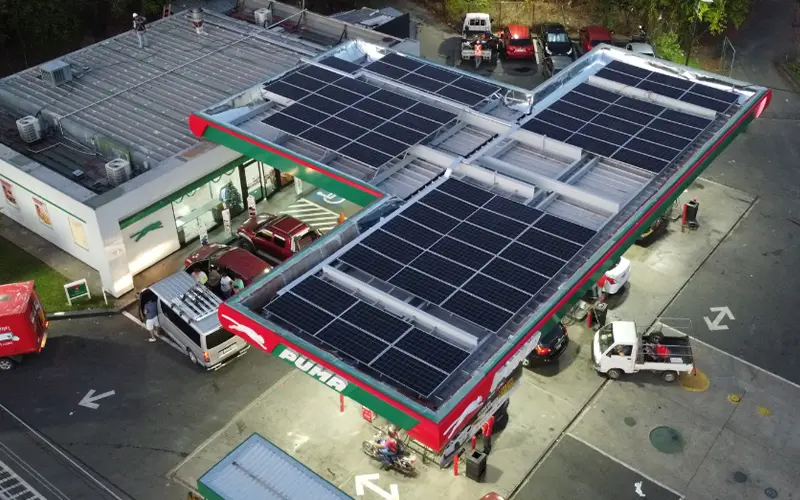
Muchos países africanos tienen fuertes recursos solares., pero la confiabilidad de la red sigue siendo un desafío en muchas regiones. En África occidental, África Central, y África subsahariana, Las empresas a menudo dependen de generadores diésel para respaldar las operaciones diarias.. Si bien los generadores pueden proporcionar energía de respaldo, También generan altos costos de combustible., presión de mantenimiento, ruido, y gastos operativos inestables.
Un sistema comercial de almacenamiento de energía ayuda a resolver este problema almacenando electricidad a partir de paneles solares., la grilla, o un generador, luego soltándolo cuando sea necesario. Para usuarios comerciales e industriales, esto significa energía más estable, mejor gestión de la energía, y menor dependencia del combustible diésel.
Para contratistas EPC y desarrolladores de proyectos, El almacenamiento de energía también mejora el valor de un proyecto solar.. En lugar de ofrecer sólo generación solar diurna, Los contratistas pueden entregar un completo solución de sistema de energía solar que soporta cargas diurnas, cargas nocturnas, y energía de respaldo durante cortes.
Aplicaciones comunes para sistemas comerciales de almacenamiento de energía
Los sistemas comerciales de almacenamiento de energía son adecuados para muchos escenarios de proyectos africanos donde la confiabilidad de la energía afecta directamente las operaciones comerciales..
Fábricas e instalaciones industriales
Las instalaciones de fabricación a menudo utilizan máquinas, motores, compresores, iluminación, equipo de oficina, y sistemas de seguridad. Las interrupciones de energía pueden detener la producción y dañar los equipos.. Un sistema de almacenamiento de energía de batería comercial puede proporcionar energía de respaldo, reducir el tiempo de ejecución del generador, y respaldar operaciones diarias más estables.
Escuelas y universidades
Las escuelas necesitan electricidad confiable para las aulas, iluminación, computadoras, laboratorios, dormitorios, y edificios administrativos. En áreas con red eléctrica inestable, La energía solar más el almacenamiento pueden ayudar a las instituciones educativas a mantener las operaciones diarias y reducir los costos de energía..
Hospitales y Clínicas
Los centros sanitarios necesitan energía estable para la iluminación, refrigeración, equipo medico, sistemas de comunicacion, y servicios de emergencia. Para hospitales y clínicas, Los sistemas de almacenamiento de energía para proyectos comerciales deben diseñarse con confiabilidad., tiempo de respaldo, y protección de cargas críticas en mente.
Hoteles y edificios comerciales
Hoteles, oficinas, centros comerciales, y los parques empresariales suelen tener una alta demanda de electricidad durante el día y la noche.. Una solución de almacenamiento de energía solar puede ayudar a reducir las facturas de electricidad, mejorar la capacidad de energía de respaldo, y brindar una mejor experiencia a clientes e inquilinos.
minas, Granjas, y sitios de proyectos remotos
Es posible que los sitios remotos no tengan acceso confiable a la red. En estos casos, paneles solares, baterías de litio, inversores ESS, y los generadores diésel se pueden combinar en un sistema de energía híbrido. Este tipo de sistema es especialmente útil para sitios mineros., procesamiento agrícola, soporte de riego, y proyectos de infraestructura rural.
Componentes clave de un sistema comercial de almacenamiento de energía
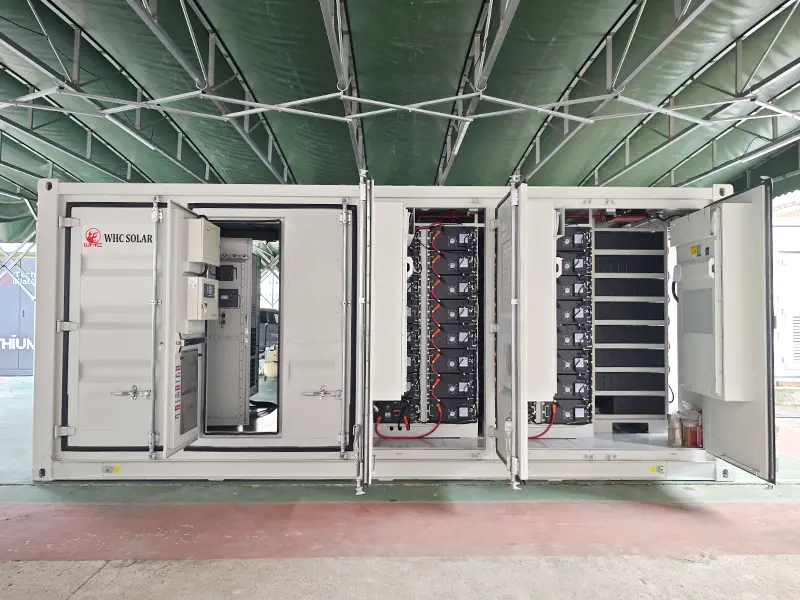
Un sistema comercial de almacenamiento de energía no es un solo producto.. Es una solución completa compuesta por varios componentes principales.. Comprender estos componentes ayuda a los contratistas y distribuidores de EPC a comunicarse más claramente con proveedores y clientes finales..
Sistema de batería de litio
La batería almacena energía eléctrica para su uso posterior.. Para proyectos comerciales e industriales., sistemas de baterías de litio Son ampliamente utilizados porque ofrecen una mayor densidad de energía., Vida más larga del ciclo, y una mejor gestión del sistema que muchas opciones de batería tradicionales. Los sistemas de baterías de litio de alto voltaje se utilizan a menudo para proyectos comerciales de almacenamiento de energía más grandes..
Inversor de almacenamiento de energía
El inversor de almacenamiento de energía Gestiona la conversión de energía entre electricidad CC y CA.. Permite que el sistema cargue baterías con energía solar., energía de la red, o energía del generador, y descargar electricidad a cargas comerciales cuando sea necesario. Para proyectos más grandes, Es posible que se requiera salida trifásica y funcionamiento en paralelo..
EMS y sistema de control
El sistema de gestión de energía controla la carga., descarga, modos de funcionamiento, y protección del sistema. Ayuda a decidir cuándo utilizar la energía solar., cuando cargar baterias, cuando dar el alta, y cuándo soportar cargas con generador o energía de red.
SAS, piezas, MPPT, y dispositivos de protección
Dependiendo del tamaño del proyecto, El sistema puede incluir interruptores de transferencia estática., sistemas de conversión de energía, módulos MPPT, disyuntores, protección contra sobretensiones, dispositivos de monitoreo, y módulos de comunicación. Estos componentes ayudan a mejorar la seguridad del sistema., eficiencia, y rendimiento de conmutación.
Integración de paneles solares y generador opcional
En los mercados africanos, Muchos proyectos utilizan energía solar como principal fuente de energía y generadores diésel como respaldo.. Un sistema de almacenamiento de energía comercial puede mejorar la eficiencia del generador al almacenar el exceso de producción del generador en lugar de desperdiciar combustible cuando la carga es baja..
Cómo dimensionar un sistema de almacenamiento de energía comercial
El dimensionamiento correcto del sistema es esencial. Si el sistema es demasiado pequeño, no puede soportar la carga del cliente. Si es demasiado grande, El costo del proyecto puede ser innecesariamente alto.. Los contratistas de EPC deben recopilar información detallada sobre la carga y el sitio antes de recomendar una configuración..
Paso 1: Calcular la potencia de carga total
Enumere todos los equipos eléctricos principales, incluyendo motores, acondicionadores de aire, zapatillas, iluminación, computadoras, refrigeradores, maquinaria, y otras cargas comerciales. Preste especial atención a cargas inductivas como bombas., motores, y compresores porque su potencia de arranque puede ser mucho mayor que su potencia nominal.
Paso 2: Estimar el consumo diario de energía
El consumo diario de energía depende de la potencia de cada carga y de cuántas horas funciona al día.. Esto ayuda a determinar cuánta capacidad de batería y generación solar se necesitan..
Paso 3: Definir el tiempo de respaldo
Algunos clientes solo necesitan energía de respaldo para cargas críticas. Otros necesitan varias horas de funcionamiento después del atardecer o durante un fallo de la red.. El tiempo de respaldo afecta directamente la capacidad de la batería.
Paso 4: Verifique la capacidad de carga solar
El panel solar debe ser lo suficientemente grande para cargar las baterías y soportar cargas diurnas.. En muchas regiones africanas, La luz solar intensa crea buenas condiciones para proyectos de almacenamiento de energía solar., pero la configuración fotovoltaica aún debe coincidir con el inversor y el sistema de batería.
Paso 5: Considere las condiciones de la red y del generador
Si el proyecto utiliza energía de la red, El sistema debe admitir modos estables de conmutación y carga.. Si el proyecto utiliza un generador diesel, El sistema de almacenamiento debe diseñarse para mejorar la eficiencia del combustible y la confiabilidad del respaldo..
¿Por qué energía solar? + Batería + Generador diésel funciona bien en África

Para muchos proyectos comerciales e industriales en África, La solución más práctica no es solo energía solar o solo generador.. Un sistema híbrido puede combinar paneles solares, almacenamiento de la batería, y respaldo de generador diesel.
Durante el día, Los paneles solares pueden alimentar cargas y cargar la batería.. Por la noche o durante cortes, La batería puede suministrar electricidad a la carga.. Cuando la energía solar y la batería no son suficientes, el generador puede proporcionar soporte adicional. En lugar de funcionar de manera ineficiente con carga baja, El generador también puede cargar la batería., ayudando a reducir el desperdicio de combustible.
Esta estructura es especialmente útil para fábricas., hospitales, escuelas, hoteles, y sitios remotos donde los cortes de energía pueden causar pérdidas comerciales. Para contratistas EPC, También crea una propuesta de proyecto más sólida porque la solución aborda problemas energéticos reales en lugar de solo vender equipos..
Cómo elegir un proveedor de soluciones de sistemas de almacenamiento de energía comercial
Elegir el proveedor adecuado es fundamental para los compradores B2B. Un precio bajo puede parecer atractivo al principio, pero mala coincidencia técnica, débil soporte postventa, o la calidad inestable del producto puede crear riesgos graves para el proyecto..
Distribuidores, mayoristas, contratistas EPC, y los desarrolladores de proyectos deben evaluar si el proveedor puede proporcionar soporte completo para la configuración del sistema., suministro estable de productos, documentación técnica, guía de instalación, y servicio postventa.
Un confiable proveedor de soluciones de sistemas de almacenamiento de energía comercial Debe entender las condiciones del mercado local., incluyendo redes inestables, aplicaciones fuera de la red, ambientes de alta temperatura, uso del generador diesel, y las necesidades de los usuarios comerciales e industriales.
Soluciones de almacenamiento de energía solar comercial WHC
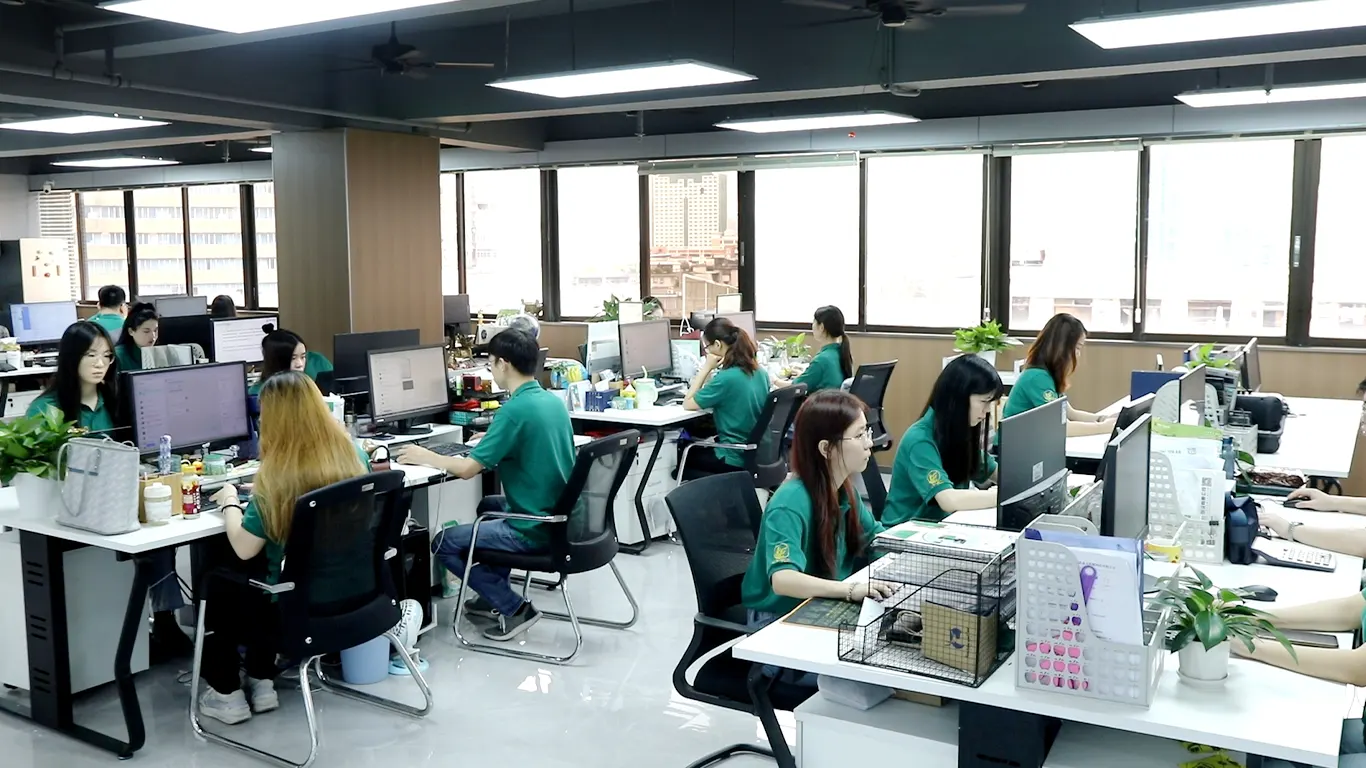
WHC Solar proporciona soluciones integradas de energía solar para clientes B2B, incluyendo baterías solares, inversores de almacenamiento de energía, sistemas de almacenamiento de energía comerciales e industriales, y configuraciones completas del sistema de energía solar.
Para proyectos comerciales de almacenamiento de energía., WHC Solar puede admitir diferentes tamaños de sistemas, incluyendo 30KW, 50kilovatios, 100kilovatios, y configuraciones más grandes dependiendo de los requisitos del proyecto. Una solución comercial típica de almacenamiento de energía puede incluir módulos de baterías de litio de alto voltaje., inversor ESS, control del ccsme, dispositivos de protección, entrada solar, y soporte del generador.
Para distribuidores africanos y contratistas EPC, WHC Solar puede ayudar con la configuración del proyecto, combinación de productos, guía de instalación, y soporte de cotizaciones B2B. Esto permite a los clientes construir proyectos solares más confiables para fábricas., escuelas, hospitales, oficinas, hoteles, minas, y otras aplicaciones comerciales.
Conclusión
Un sistema de almacenamiento de energía comercial es más que un gabinete de baterías.. Es una solución energética completa para empresas y sitios de proyectos que necesitan electricidad estable., menor consumo de diésel, y un mejor control de la energía.
Para contratistas EPC africanos, distribuidores solares, mayoristas, y desarrolladores de proyectos, El mejor sistema debe diseñarse en función de la demanda de carga real., tiempo de respaldo, capacidad de carga solar, condiciones de la red, y necesidades de mantenimiento a largo plazo. Eligiendo el sistema de almacenamiento de energía comercial y el proveedor de soluciones adecuados, Los clientes B2B pueden ofrecer resultados más sólidos, Proyectos solares más confiables en los mercados africanos..
Preguntas frecuentes
¿Qué es un sistema de almacenamiento de energía comercial??
Un sistema comercial de almacenamiento de energía almacena electricidad a partir de paneles solares., la grilla, o un generador y lo libera cuando es necesario. Se utiliza comúnmente para fábricas., escuelas, hospitales, hoteles, oficinas, minas, y otros sitios comerciales o industriales.
¿Puede un sistema comercial de almacenamiento de energía funcionar con un generador diésel??
Sí. En muchos proyectos africanos, solar, almacenamiento de la batería, y los generadores diésel se combinan en un sistema híbrido. La batería puede reducir el tiempo de funcionamiento del generador y almacenar el exceso de producción del mismo., ayudando a mejorar la eficiencia del combustible.
¿Qué tamaño de sistema de almacenamiento de energía comercial necesito??
El tamaño correcto depende de la potencia de carga total, consumo eléctrico diario, tiempo de respaldo, capacidad del panel solar, condición de la red, y uso del generador. Los contratistas de EPC deben recopilar información detallada del sitio antes de seleccionar un sistema..
¿Es la batería de litio adecuada para proyectos comerciales de almacenamiento de energía??
Sí. Las baterías de litio se utilizan ampliamente en sistemas comerciales de almacenamiento de energía porque ofrecen un ciclo de vida más largo., mayor capacidad utilizable, mejor densidad de energía, y gestión de batería más inteligente en comparación con muchas opciones de batería tradicionales.
¿Quién debería comprar sistemas comerciales de almacenamiento de energía??
Los sistemas comerciales de almacenamiento de energía son adecuados para contratistas EPC, distribuidores solares, mayoristas, desarrolladores de proyectos, fábricas, escuelas, hospitales, hoteles, sitios mineros, instalaciones de telecomunicaciones, y propietarios de edificios comerciales.
llamada a la acción
Necesita un sistema de almacenamiento de energía comercial para su proyecto?
WHC Solar proporciona soluciones solares integradas para distribuidores, mayoristas, contratistas EPC, y desarrolladores de proyectos en África. Póngase en contacto con WHC Solar para obtener una configuración personalizada del sistema de almacenamiento de energía comercial y una cotización del proyecto B2B.