
Solar battery backup planning is a serious farm decision for African poultry houses and hatchery rooms. Éclairage, ventilation, brooder heating controls, incubators, drinker lines, small water pumps, feed equipment, and basic cold storage all need stable electricity. Donc, un solar battery backup system supplier should help buyers match panels, batteries, inverter capacity, load priority, et support après-vente, not only sell separate products.
En Afrique de l'Ouest, Afrique centrale, et Afrique subsaharienne, many poultry farms still work around weak grid supply or expensive diesel backup. Le Perspectives énergétiques de l'AIE en Afrique highlights electricity access as a major development challenge in Africa. En outre, le Mission de la Banque mondiale 300 shows why reliable power remains important for agriculture, health services, and local business growth.
For poultry buyers, the decision is practical. If the backup system is too small, ventilation may stop before the outage ends. Cependant, if the battery bank is poorly selected, the farm may face short runtime, early battery failure, or difficult maintenance. Par conséquent, distributeurs, installateurs, and farm project contractors should evaluate the complete solar battery backup system before placing an order.
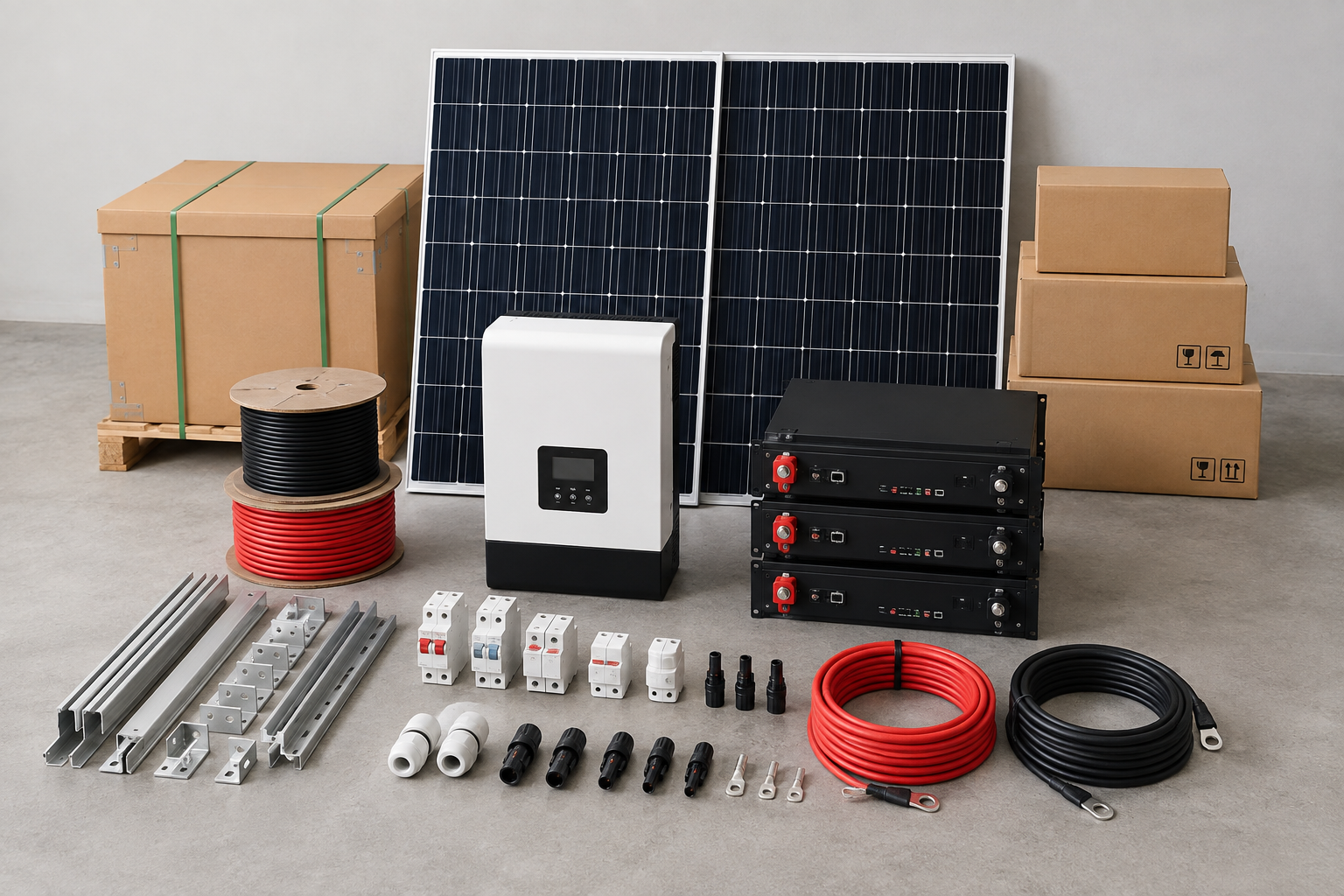
Why Poultry Farms Need Solar Battery Backup
Poultry production is more sensitive to power interruption than many ordinary farm loads. Chick rooms, hatchery rooms, and broiler houses depend on airflow, contrôle de la température, and stable lighting schedules. Par exemple, FAO poultry production materials explain that newly hatched birds have limited ability to control body temperature, so farm managers must pay close attention to heating, ventilation, and housing conditions.
Donc, a solar battery backup system must protect the most important loads first. In a poultry farm, this usually means ventilation fans, brooder heating controls, incubators, éclairage de secours, approvisionnement en eau, and alarm or communication equipment. Non-critical loads, such as some office equipment or optional lighting, can be separated to avoid draining the battery too quickly.
For African distributors and installers, this creates a clear B2B opportunity. A buyer may ask for a solar system with battery, but the real requirement is usually a backup power package that keeps farm operation stable during power cuts. Because of this, the supplier should help the buyer define daily energy use, peak load, temps de sauvegarde, type de batterie, et conditions de pose.
How to Size a Solar Battery Backup System for Poultry Loads
A good sizing process starts with a load list. The buyer should not estimate the system only by farm size or building area. Plutôt, the installer should record each load, its rated power, starting surge if relevant, heures de travail quotidiennes, and backup priority.
Par exemple, a small poultry site may need backup for LED lighting, ventilation fans, drinker pumps, and a few control devices. A hatchery project may add incubators, brooders, egg handling equipment, and stronger temperature control. Entre-temps, a larger farm may require three-phase equipment, multiple poultry houses, and a higher inverter capacity.
In our experience with solar project support, three checks are especially important before choosing a battery bank. D'abord, confirm the real critical load instead of backing up the whole site. Deuxième, decide the required backup duration, such as several hours of night operation or longer outage support. Troisième, match the battery voltage and inverter input range so the system can charge and discharge correctly.
| Project Load | Pourquoi ça compte | Priorité de sauvegarde | Vérification du fournisseur |
|---|---|---|---|
| Ventilation fans | Airflow affects heat, humidité, and bird health. | Haut | Check running power, courant de démarrage, and backup hours. |
| Brooder or hatchery controls | Temperature stability is important for chicks and eggs. | Haut | Confirm inverter output quality and battery runtime. |
| Éclairage | Lighting supports feeding, movement, and farm operation. | Moyen à élevé | Use efficient LED loads to reduce battery size. |
| Water pump and drinker line | Water access is a basic poultry farm requirement. | Moyen à élevé | Separate motor loads and check surge current. |
| Cold storage or egg room | Some farms need stable cooling for eggs, medicine, or feed additives. | Project dependent | Confirm compressor surge and daily energy consumption. |
Battery Type Selection for Farm Backup Projects
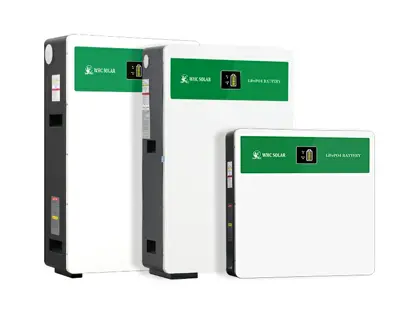
Battery choice should match the outage pattern, budget, environnement d'installation, and service capability. For some farm projects, gel batteries remain attractive because they are familiar to many installers and can be used in solar and backup power systems. WHC Solar product materials list gel battery options in 6V, 12V, and 24V ranges, with common 12V capacities from small models up to 250Ah.
These batteries are maintenance-free and suitable for solar energy storage, UPS backup, télécommunications, and emergency power applications. Cependant, not every poultry project should use the same battery type. Where outages are frequent and the system cycles deeply, lithium or LiFePO4 battery options may reduce replacement pressure over time.
For larger farm owners, the higher first cost may be acceptable if the project needs longer cycle life, charge plus rapide, lighter installation, and better monitoring options. For long-duration standby and more demanding backup use, WHC product information also includes 2V GEL and OPzV battery options. The OPzV material highlights maintenance-free design, tubular positive plates, gel electrolyte, and long-cycle application positioning.
Solar Battery Backup Supplier Checklist
A reliable supplier should help buyers avoid mismatch between battery capacity, puissance de l'onduleur, solar charging, and field installation. This is especially important for African poultry farms, where service response, des pièces de rechange, and installer training can decide whether the system performs well after delivery.
1. Confirm the Battery and Inverter Match
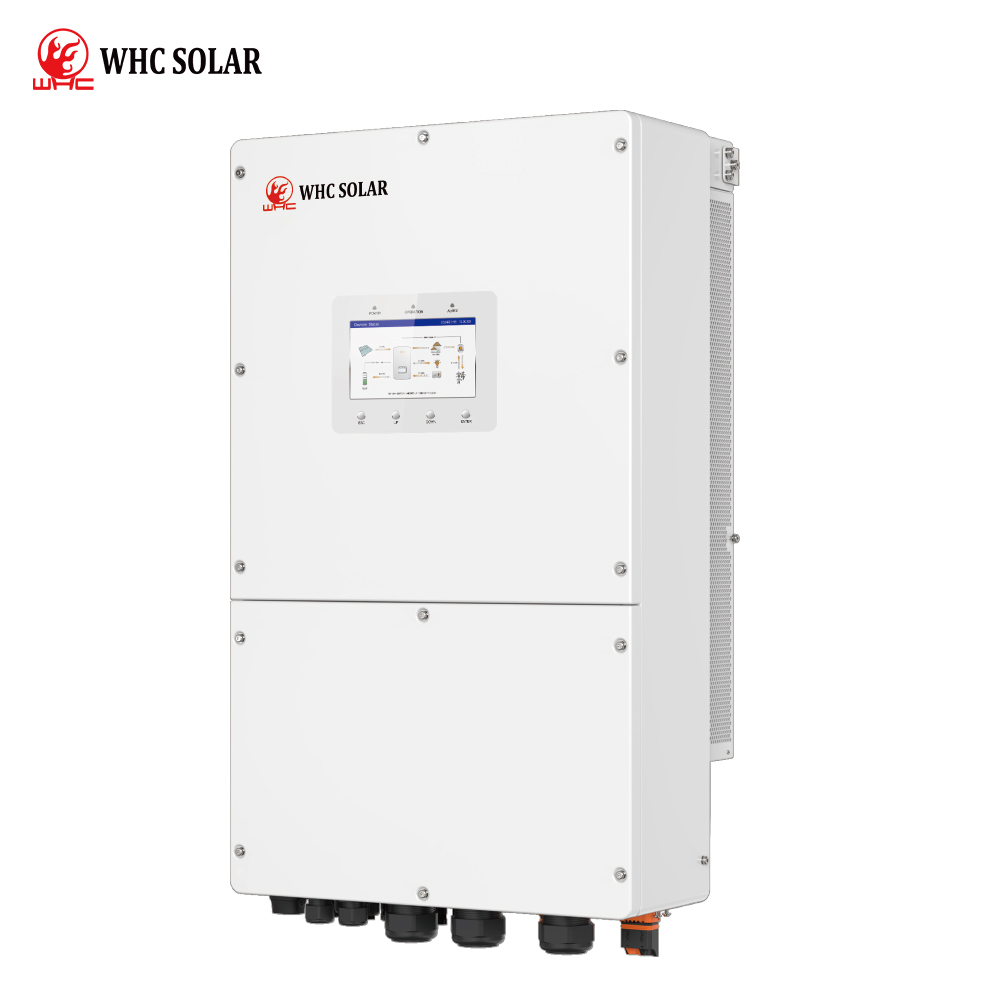
The inverter must match the battery bank voltage and expected discharge current. For smaller systems, buyers may consider 12V, 24V, or 48V battery structures. For larger poultry houses or hatchery buildings, higher system voltage and a stronger inverter may be needed to reduce current stress and cable loss.
Avant de commander, the supplier should confirm battery voltage, inverter input range, courant de charge, low-voltage protection, and overload behavior. If lithium batteries are used, the buyer should also confirm BMS communication, protection settings, and parallel expansion rules.
2. Separate Critical Loads from General Loads
A common mistake is trying to power the whole farm during an outage. This can make the battery bank too expensive or too short in runtime. Plutôt, the installer should separate critical loads from optional loads. Ventilation, chick-room controls, emergency lights, and water supply may need backup first.
3. Check Solar Charging and Generator Coordination
Some poultry farms may use solar panels during the day and battery backup at night. Others may still keep a diesel generator for long rainy periods or heavy motor loads. Dans ce cas, the solar battery backup system should support practical charging logic and safe switching.
4. Review Installation Conditions
Battery room temperature, ventilation, cable distance, poussière, humidité, and maintenance access all affect performance. Poultry sites can be dusty and warm, so buyers should avoid placing sensitive equipment in areas with poor airflow or direct animal house contamination. En outre, the supplier should provide basic installation guidance, wiring suggestions, and protection advice.
Typical African Poultry and Hatchery Scenarios
In a West African broiler farm, the main concern may be evening outages. The buyer may need solar charging during the day and battery backup for lighting, Ventilateurs, and water equipment after sunset. Dans ce cas, system planning should prioritize efficient LED lighting, ventilation runtime, and enough battery reserve for unexpected outage extension.
In a Central African hatchery, the load may be more sensitive. Incubators, brooders, and temperature control systems require stable power quality. Ici, the buyer should check inverter waveform, overload capacity, battery depth of discharge, and service support before choosing the lowest price offer.
For a rural distributor serving many small farms, the business model may be different again. The distributor may need several repeatable backup packages, such as small poultry house kits, hatchery backup kits, and larger farm packages. Donc, a supplier that can support consistent product matching helps the distributor reduce installation errors and customer complaints.
Comparison: Separate Products vs Complete Backup Packages
Many buyers compare unit prices for panels, batteries, and inverters separately. That can work for experienced engineers. Cependant, poultry farms usually need a working package, not only a low-cost product list. A complete package makes quotation, installation, and after-sales support easier.
| Buying Method | Principal avantage | Main Risk | Meilleur ajustement |
|---|---|---|---|
| Separate battery, onduleur, and panel purchase | Flexible sourcing and possible lower unit price. | Higher risk of voltage, chargement, and support mismatch. | Experienced installers with strong technical control. |
| Supplier-matched solar battery backup package | Easier quotation, installation, and responsibility control. | Requires clear load list and proper supplier review. | Farm owners, distributeurs, and project installers. |
| Solaire, batterie, and generator hybrid backup | Better resilience for long outages and rainy periods. | More design work is needed for switching and charging logic. | Larger poultry farms and hatchery projects. |
How WHC Solar Supports Poultry Farm Backup Projects
WHC Solar se positionne comme un fournisseur de solutions d'énergie solaire complète pour les acheteurs B2B. For poultry farms and hatchery projects, WHC Solar can support buyers with solar batteries, onduleurs, contrôleurs, panneaux, and complete solar system matching. Les acheteurs peuvent consulter WHC Solar solar battery products, solar inverter options, et solar system solutions when preparing a farm backup quotation.
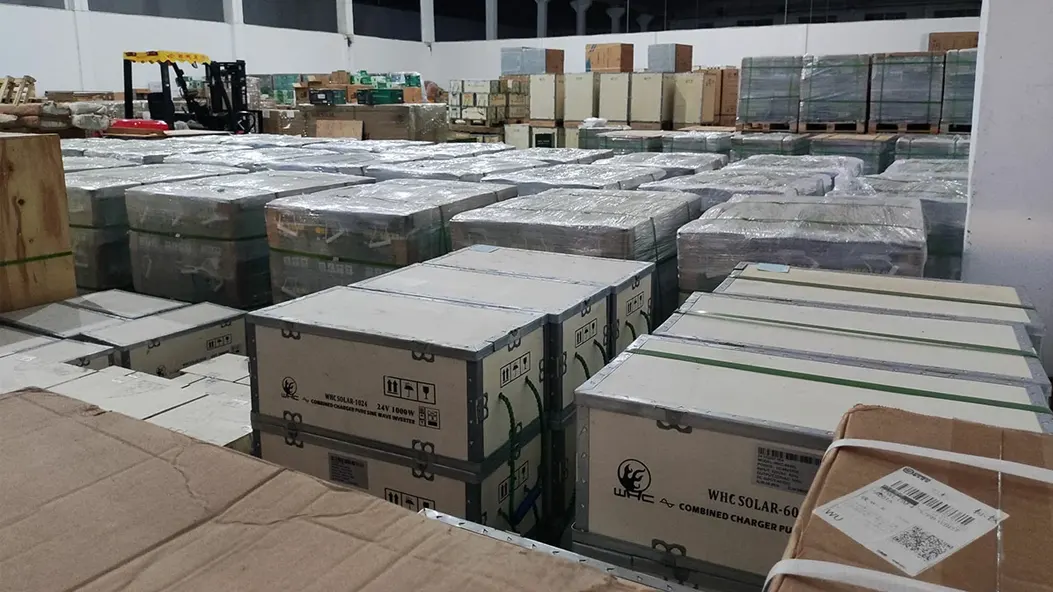
Pour les distributeurs et grossistes, package consistency is important. A repeatable solar battery backup package can help sales teams explain capacity, temps de sauvegarde, product difference, and installation requirements more clearly. For EPC contractors and farm project installers, WHC Solar can help review load information before quotation so the system is closer to the actual farm requirement.
If the project includes multiple poultry houses, a hatchery room, pompes à eau, and cold storage, the buyer should not rely on a single standard kit. A better approach is to prepare a load table, decide critical loads, confirm daily runtime, and then request a matched backup solution from a supplier with solar system experience.
Conclusion
Choisir un solar battery backup system supplier for African poultry farms is not only about battery price. The buyer must check the real farm loads, heures de sauvegarde, correspondance de l'onduleur, charging method, environnement d'installation, and supplier support. For hatchery projects and poultry houses, stable backup power can protect daily operation and reduce the risk caused by weak grid supply.
WHC Solar can help distributors, installateurs, and farm project buyers plan a practical solar battery backup system for poultry houses, hatcheries, and rural agricultural sites. To prepare a quotation, send your load list, backup time target, site voltage, and installation location through the Page de contact WHC Solaire.
FAQ
What is the best solar battery backup system for a poultry farm?
The best system depends on the farm load list, backup duration, type de batterie, inverter size, and solar charging conditions. Ventilation, brooder controls, éclairage, approvisionnement en eau, and hatchery equipment should be checked before sizing.
Can a solar battery backup system run poultry ventilation fans?
Oui, but the inverter and battery bank must be sized for the fan power, running hours, and starting current. For motor loads, buyers should confirm surge capacity before ordering.
Should poultry farms use gel batteries or lithium batteries?
Gel batteries can be suitable for familiar and cost-sensitive backup systems. Lithium or LiFePO4 batteries may be better where outages are frequent, cycle life is important, or the buyer wants a lighter and more expandable system.
How should hatchery projects plan backup power?
Hatchery projects should separate critical loads, confirm inverter output quality, calculate battery runtime, and protect temperature control equipment. Supplier support is especially important because hatchery loads are more sensitive than ordinary lighting loads.
Can WHC Solar provide a complete solar system with battery for farm projects?
Oui. WHC Solar supports B2B buyers with solar batteries, onduleurs, panneaux, contrôleurs, and complete solar system matching for agricultural and backup power projects.
Appel à l'action
Need a solar battery backup package for a poultry farm, hatchery, or agricultural project in Africa? Send WHC Solar your load list, temps de sauvegarde requis, site voltage, and project location. Our team can help prepare a matched solar system with battery for B2B procurement and project installation.